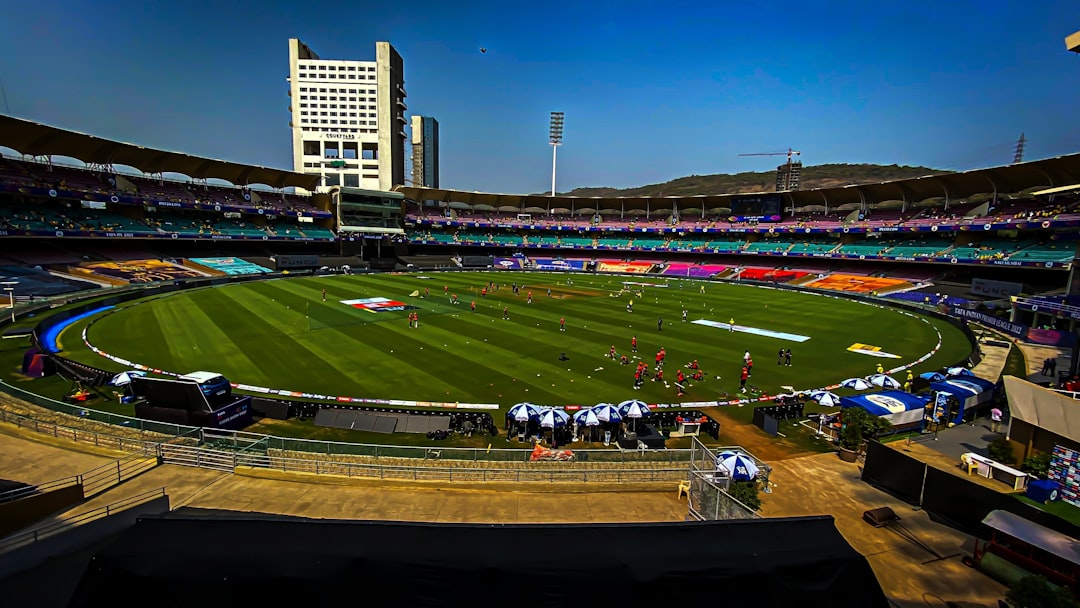
Match-day food is no longer just about convenience and comfort. As food prices stay volatile and commodity costs move unevenly across meat, dairy, cocoa, and cooking oils, stadium operators are being forced to rethink everything from hot dogs to dessert trays. For fans, that means the stadium menus you know may change in subtle ways first, then more visibly as clubs protect margins without alienating supporters. The best-run venues will treat this as a concession strategy challenge, not just a pricing problem, because the fan experience lives or dies on value perception.
FCC’s latest outlook for food and beverage manufacturers underscores the tension. Sales may rise modestly, but underlying volumes remain under pressure, and input costs have already been shaken by supply disruption, disease outbreaks, drought, and geopolitics. That matters on match-day because clubs and concessionaires are downstream buyers of the same ingredient market that hits grocery shelves and restaurant supply contracts. If you want to understand why your burger, brownie, or cheese-heavy nachos may cost more, start by looking at the same forces shaping the wider FCC economics outlook and then trace how those costs are passed through to venues with high foot traffic and limited menu elasticity.
Below is a definitive breakdown of what is likely to happen, which menu categories are most exposed, and how clubs can keep fan pricing fair while protecting profitability. We will also look at practical ways to design an offer that feels value-forward, not penny-pinching. If you care about match-day operations, this is the same kind of systems thinking found in our coverage of real-time sports content ops, where fast-moving inputs require fast decision-making.
Why rising food prices hit stadiums differently than supermarkets
High-volume venues have less room to absorb shocks
Supermarkets can spread cost changes across thousands of products and adjust promotions over time, but stadiums work under compressed windows. A venue might sell the majority of its food in a 90-minute pregame surge and a short halftime rush, which means there is limited time to respond if ingredient invoices jump. That creates a tough math problem: a club can either raise prices quickly, shrink portions, or accept lower margins. Because fans compare prices to the memory of last season, not to a finance model, the reputational risk is immediate.
This is why stadium operators should treat concession pricing the way high-performing digital businesses treat rapid content shifts: with systems, not improvisation. Our breakdown of live-blogging workflows and slow mode coverage shows how structured decision-making beats panic. The same logic applies in concessions: define price bands, set substitution rules, and decide in advance which menu items are sacrificial and which are protected.
Fans notice value in bundles, not just sticker prices
What matters to supporters is not simply the cost of a single item, but the perceived value of the overall match-day basket. A $12 burger feels painful on its own, but a family bundle that includes a main, drink, and snack can still feel fair if the portion size is honest and the quality is steady. Clubs that ignore this psychology risk losing repeat buyers even if their gross margin looks healthy on paper. In other words, fan pricing has to be engineered as a package, not a line item.
This is the same tradeoff discussed in our guide on value-first buying behavior and value beyond the price tag: consumers will pay when the proposition feels honest, clear, and anchored in a specific occasion. At the stadium, the occasion is emotional, time-bound, and social, which makes transparent value even more important than in everyday retail.
Some categories are easier to protect than others
Not every menu item will rise at the same pace. Protein-heavy products like beef burgers, chicken tenders, and sausages are exposed to livestock and feed costs, while dairy-driven items such as cheese sauces, milkshakes, and soft-serve desserts are vulnerable to butterfat and cream volatility. Cocoa-linked items, including brownies, chocolate bars, and premium dessert cups, can also swing sharply when global supply is tight. Meanwhile, bread, fries, and soda may remain relatively stable for periods, creating room for operators to re-balance the menu mix.
That kind of segmentation is familiar to businesses that work with layered cost structures, like the examples in finance-grade data models or affordable data stacks. The lesson is simple: if you know which ingredients are volatile, you can isolate them instead of letting one spike force a broad, unpopular price hike across the whole stand.
Which stadium items are most likely to change first
Burgers and loaded sandwiches will likely get thinner margins or smaller patties
Burgers are usually the most visible symbol of concession inflation because they rely on multiple expensive components at once: meat, dairy, buns, sauces, packaging, and labor. When beef or dairy prices climb, operators often respond by reducing patty weight before they increase menu price too aggressively. That can preserve a headline price for one season, but fans tend to notice portion changes quickly, especially when the item is a staple purchased at nearly every venue. The risk is that cost control becomes visible in the worst possible way: the customer feels they are paying the same for less.
Clubs can avoid this by being deliberate about menu architecture. A premium burger can remain premium if it is actually differentiated, while a core burger should stay dependable and fairly priced. This approach is similar to how clubs maintain identity through disruption, much like the dynamics covered in club identity after coaching departures: keep the core promise intact, even if supporting pieces change around it.
Dairy-heavy snacks and desserts face the sharpest menu redesign pressure
Dairy inflation can quietly reshape a stadium menu more than fans expect. Cheese-loaded nachos, milkshakes, ice cream sandwiches, and custard-based desserts often have strong margin appeal when input costs are stable, but they become vulnerable when milk prices move up. Clubs may respond by reducing topping quantities, swapping in lower-cost dairy formats, or offering fewer dessert SKUs on busy nights. The result may not be obvious at first glance, but fans will feel it in the reduced variety and higher spend required to reach the same “full treat” experience.
The upside is that desserts and snacks offer the best opportunity for smart design because they are flexible. Operators can rotate seasonal features, use pre-portioned formats, and build bundles that make the premium feel justified. In other industries, this kind of substitution logic mirrors the playbook in high-value bundle buying and portable food design, where convenience and portion control make price moves more digestible.
Chocolate and bakery items may quietly become smaller or rarer
Cocoa remains one of the most sensitive ingredients in the global food system, so chocolate brownies, cookie skillets, and premium fudge items can become expensive very fast when supply tightens. The most likely first move is not an obvious price jump but a change in frequency: fewer chocolate specials, smaller dessert portions, or a shift toward caramel, vanilla, and fruit-based options. Bakery items also face a broader cost stack because flour, sugar, egg, packaging, and labor all matter at once. For stadiums, that means sweet items are often a release valve when the cost base becomes too unpredictable.
That is exactly where the latest FCC outlook becomes relevant. FCC reports that gross margins in some food subsectors may improve as raw material costs ease, but the environment remains uneven and trade-sensitive. You can read more about the broader context in the report itself at FCC’s food and beverage manufacturing update, especially the sections highlighting pressure in confectionery-related categories and the uncertainty around energy and commodity markets.
A practical comparison of likely menu changes
The easiest way to think about match-day menu changes is to map ingredient exposure against fan perception and margin pressure. The table below shows the most likely shifts clubs will consider as commodity costs move through procurement and into pricing. It is not a prediction of every venue, but it is a realistic framework for how concession teams will make decisions.
| Menu Category | Primary Cost Driver | Likely Adjustment | Fan Impact | Margin Goal |
|---|---|---|---|---|
| Beef burgers | Meat, dairy, packaging | Smaller patty, higher bundle price, or premium tiering | Visible if portion shrinks | Protect core margin |
| Cheese nachos | Dairy, corn chips, labor | Reduced cheese portion or added upsell toppings | Moderate if value remains clear | Maintain volume and speed |
| Chicken tenders | Poultry, oil, breading | Bundle reformulation or SKU reduction | Low to moderate | Preserve affordability |
| Chocolate desserts | Cocoa, dairy, sugar | Fewer specials, smaller serving size | Noticeable if variety declines | Protect premium margin |
| Soft drinks and fries | Packaging, oil, logistics | Bundled pricing or combo incentives | Usually low if combos stay fair | Drive basket size |
For operators, the smartest play is not to ask whether prices can rise, but where the fan is least likely to revolt. That is why some stadiums will subsidize core items and quietly move profit into premium snacks, combo upgrades, or limited-time offers. The challenge is to avoid making every item feel like a trap, which would undermine trust and slow repeat spending over the season.
How clubs can keep prices fair without blowing up margins
Use a good-better-best menu ladder
A good-better-best framework lets clubs protect accessibility while still monetizing demand from fans who want a better experience. The “good” tier should stay simple and dependable, with a fair price anchored in everyday expectations. The “better” tier can include improved ingredients, better packaging, or slightly larger portions. The “best” tier becomes the premium, high-margin option that absorbs some of the volatility from core items.
This tiered approach works because it gives customers choice instead of forcing a single price point on everyone. It also mirrors how smart businesses structure offerings in other categories, similar to the decision-making logic in consumer UX research and family package pricing. When fans can self-select, clubs can defend the affordable item without sacrificing total revenue potential.
Bundle around the moment, not just the ingredients
The strongest concession strategy is usually event-based. Fans do not buy fries because fries are exciting; they buy them because they fit the rhythm of the match-day experience. A “first-half saver” combo, a family bundle, or a late-inning snack pack can feel like a smart purchase even when raw ingredients have become more expensive. Bundles also make it easier to protect a visible value anchor while subtly adjusting the contents behind the scenes.
That logic resembles the operational discipline in real-time sports content monetization, where timing and context create value. For stadiums, the timing is the rush window, and the context is the emotional willingness to spend before or during play. If the bundle solves hunger and convenience at once, fans are more forgiving of modest price movement.
Reduce waste before you raise prices
Before passing on higher costs, clubs should aggressively attack waste. Better demand forecasting, tighter prep windows, smaller batch cooking, and smarter inventory rotation can protect margins without touching the customer-facing price tag. The fastest savings are often invisible to fans: fewer unsold hot items, less spoilage in dairy-heavy products, and smarter ordering for low-turnover dessert stock. In many cases, operational waste is the easiest margin to recover before any menu reprice is necessary.
This is where a data-first concession team can outperform a reactive one. The same thinking appears in our guide to tracking system performance during outages: you do not wait for the failure to become obvious; you watch the indicators early and adjust fast. In stadium operations, that means monitoring sell-through rates, queue times, and item-level profit rather than waiting for the monthly P&L to tell the story too late.
What fans should expect in 2026 and beyond
More limited-time offers, fewer sprawling menus
One of the clearest effects of rising food prices will be menu simplification. Instead of dozens of overlapping SKUs, many venues will trim to a tighter set of proven winners and rotate special items around marquee fixtures. That helps reduce waste and makes procurement easier when commodity prices are uncertain. For fans, the upside is speed and consistency; the downside is less choice and a higher likelihood that a favorite item is only available for big games.
We have seen similar consolidation patterns in other high-pressure categories, from geopolitics-driven sourcing to last-minute travel disruptions. When supply becomes harder to predict, variety is usually the first casualty. Stadiums that communicate this honestly and keep a few value anchors intact will keep the best relationship with their fan base.
More transparency about sourcing and portioning
Fans are increasingly aware that prices are not set in a vacuum. Clubs may begin explaining why a certain item costs more, especially if they can link it to local sourcing, ingredient quality, or sustainable packaging. Transparency alone will not solve price resistance, but it can soften the reaction when fans see a clear reason for the change. The key is to explain the “why” without sounding defensive or corporate.
There is a reason trust is such a recurring theme in fan-facing businesses. Our coverage of fan engagement in post-pandemic cricket events shows that audiences reward openness and punish anything that feels like silent extraction. If the club says, “We kept the core burger price steady by adjusting the premium tier,” supporters are far more likely to understand than if they notice a smaller portion without explanation.
Digital ordering may become a pricing tool, not just a convenience
App ordering, QR menus, and pre-order bundles can help clubs segment pricing more intelligently. Mobile ordering lets operators test different bundles, push inventory that is nearing expiry, and promote value offers during the slowest windows. It also creates the chance to personalize based on purchase history, which can protect margins by steering regular buyers toward items they already prefer. In effect, technology becomes a concession strategy tool rather than merely a queue-reduction tool.
This is consistent with the broader trend toward structured digital operations in sports media and commerce, seen in resources like feed-focused SEO audits and local analytics partnerships. The core idea is the same: better data produces better decisions, and better decisions preserve both trust and profitability.
What clubs should do now: a match-day pricing playbook
Stress-test menu sensitivity item by item
Every club should know which items fans will accept at a higher price and which items are sacred. Start with item-level margin, then layer in fan importance, queue speed, and substitution risk. A premium truffle brownie might absorb a bigger price move than a basic hot dog, while a family fries combo may need to stay aggressively affordable to preserve goodwill. The aim is to protect the items that define the match-day ritual.
For a practical analogy, think about the decision frameworks used in high-stakes environments and negotiation under public scrutiny. In both cases, credibility is everything. Stadium operators should make only the changes they can defend, because fans are highly sensitive to being treated as a captive audience.
Protect entry-level value, monetize upgrades
The smartest clubs will keep at least one low-friction option on the menu that feels accessible to families and casual fans. Then they will earn better margins through customization, premium toppings, combo upgrades, and special-event items. This reduces the pressure to raise every price across the board and creates a ladder for different budgets. It also helps prevent the common mistake of making the cheapest item so weak that it no longer functions as a credible value anchor.
If you want a stronger mental model, compare it to product tiers in economy-standard-premium offerings or even the structured product logic in travel categories. The customer must instantly understand what changes with each tier. Stadium food should be no different.
Measure trust, not just revenue
Many concession teams obsess over average spend per head, but that is only half the picture. They should also track complaint volume, repeat-purchase rates, bundle attachment rates, and post-match sentiment. A short-term boost in revenue can hide long-term damage if fans feel priced out. The best operators will treat customer trust as a financial metric because, in a subscription-like fan relationship, trust is a revenue engine.
That philosophy aligns with the way data-backed businesses think about quality and retention, including the approaches in survey-to-action feedback loops and analytics partnerships. If clubs listen carefully, they can spot the moment fans stop saying, “That’s pricey, but fair,” and start saying, “That’s not worth it anymore.”
Bottom line: the future of match-day menus is smarter, leaner, and more transparent
Rising food prices will not erase the stadium experience, but they will force clubs to make harder choices about value, variety, and brand trust. Expect smaller menu boards, more bundled offers, fewer indulgent one-offs, and a stronger push toward premium upsells. Expect some price increases too, especially in meat, dairy, and cocoa-heavy items where commodity costs are hardest to absorb. But the clubs that win will not be the ones that simply charge more; they will be the ones that design a match-day food experience fans still believe in.
That means disciplined procurement, smart substitutions, better waste control, and honest communication. It means protecting the few items that define the ritual while allowing premium items to carry more of the margin burden. And it means using data the way modern sports businesses should: to make the fan experience feel fair, fast, and worth repeating. If stadium operators get that balance right, the concession stand can remain a place of joy even in a tighter cost environment. If they do not, fans will notice quickly—and they will vote with their wallets.
Pro Tip: The safest concession strategy is to keep one “trust anchor” item at a visibly fair price all season, then use premium bundles and limited-time items to absorb commodity shocks elsewhere. Fans forgive inflation more easily when the core value promise stays intact.
Frequently asked questions
Will rising food prices make stadium food unaffordable?
Not necessarily. Many clubs will avoid across-the-board increases and instead use targeted price moves, smaller portion changes, and bundles to preserve the fan experience. The most likely outcome is that premium items rise faster than entry-level staples. Fans may notice fewer options, but affordability can still be protected if operators are disciplined.
Which ingredients are most likely to push up stadium menu prices?
Meat, dairy, and cocoa are among the most exposed because they are tied to volatile agricultural and global supply conditions. That means burgers, cheese-heavy snacks, milkshakes, and chocolate desserts are likely to feel the pressure first. Packaging, oil, and logistics can also matter, especially for high-volume match-day service.
How can clubs keep margins healthy without irritating fans?
The most effective methods are tiered pricing, smart bundles, waste reduction, and selective premium upsells. Clubs should also keep one or two clearly affordable items visible as value anchors. Transparency about why prices move can help preserve trust and reduce backlash.
Will menus get smaller?
Most likely, yes. Many stadiums will simplify menus to reduce waste, speed up service, and manage procurement risk. That usually means fewer low-selling items, fewer seasonal experiments, and more focus on proven fan favorites.
What should fans look for on future match days?
Look for bundles, rotating specials, and digital ordering offers that improve value. You may also see more premium tiers, slightly smaller portions, or a shift away from ingredient-heavy dessert items. If a club communicates clearly and preserves at least one affordable staple, the overall experience should remain strong.
How does FCC’s outlook connect to stadium concessions?
FCC’s report signals that food manufacturing remains under pressure from weak demand and uneven input costs, even where margins may improve. Stadiums buy into the same commodity ecosystem, so those trends can flow through to procurement contracts and menu pricing. That makes the FCC outlook a useful leading indicator for concession strategy.
Related Reading
- Real-Time Sports Content Ops: Monetizing Last-Minute Lineup Moves and Transfer News - Why fast-moving sports businesses need better systems for reacting under pressure.
- Live-Blogging Playoffs: A Template for Small Sports Outlets - A practical model for speed, structure, and audience engagement when every minute counts.
- Best Family Package Holidays for 2026: What to Look for Beyond the Price Tag - A useful lens for understanding value perception in bundled experiences.
- Designing Finance-Grade Farm Management Platforms: Data Models, Security and Auditability - How robust data systems support smarter cost control and accountability.
- Feed-Focused SEO Audit Checklist: How to Improve Discovery of Your Syndicated Content - A tactical guide to building visibility through clean, structured operations.