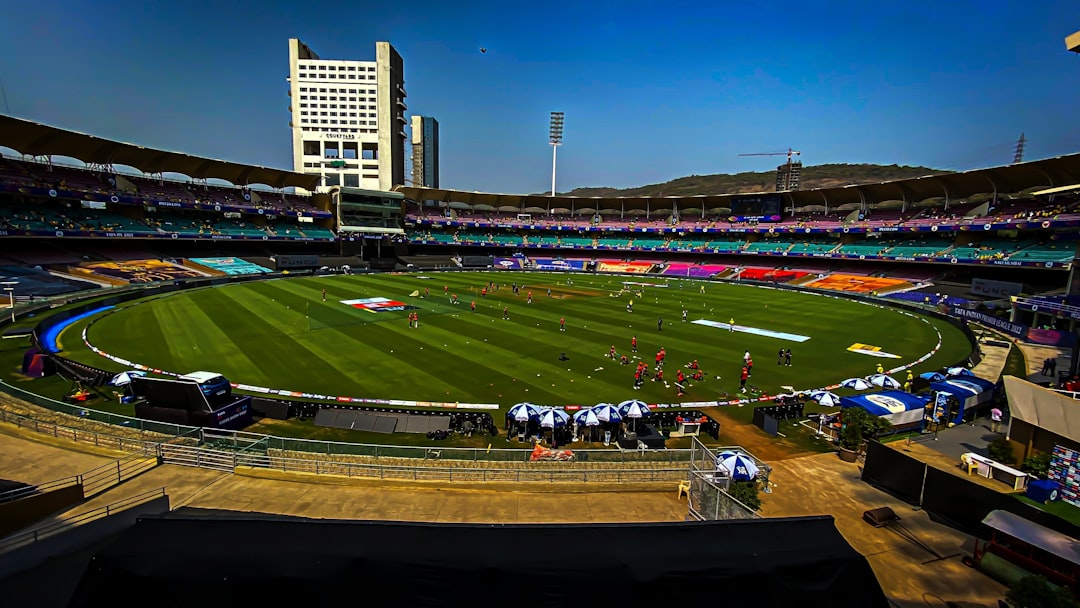
When consumer spending tightens, clubs feel the squeeze in the places fans notice least and executives worry about most: the merchandise stand, the concessions line, the premium lounge, and the late-night impulse buy. The headline problem is simple—match-day revenue must hold up even when every basket is smaller, every price increase is scrutinized, and every unsold shirt or sandwich turns into margin drag. That is exactly why clubs need a tactical playbook that connects real-time demand tracking, smarter bundling, loyalty incentives, sponsorship activations, and data-driven inventory planning into one revenue protection system. The consumer backdrop matters here: the latest FCC outlook shows modest sales growth in food and beverage manufacturing, but declining volumes and uneven demand, a pattern that mirrors what many clubs now face on game day. In other words, price can help revenues for a while, but volume, mix, and efficiency decide whether the business really wins.
This guide is built for operators who want practical answers, not theory. It combines merchandising and food & beverage strategies into one plan, because fans do not experience your business in neat categories—they buy a jersey, a burger, a drink, and maybe a cap as one emotional decision. Clubs that learn to package those choices better can offset shrinking margins without alienating supporters. The core lesson is to think like a campaign strategist, a supply-chain manager, and a loyalty designer at the same time. Done well, the result is higher attach rates, better inventory turns, and a stronger match-day experience that makes fans spend more willingly rather than reluctantly.
1. Why club margins get hit first when consumer spending slows
Higher prices do not guarantee healthier revenue
The first trap is assuming that raising prices will automatically protect the top line. The FCC report is a useful warning: it expects higher prices to lift sales slightly even as volumes fall, which means apparent growth can hide a real demand problem. Clubs see the same dynamic when ticket buyers trade down from premium food options, skip a second drink, or delay merchandise purchases until the end of the season. If you rely on price alone, you may preserve revenue on paper while damaging throughput, fan sentiment, and long-run loyalty. A tighter market rewards operators who manage mix, not just markup.
In sports venues, every category behaves differently. A scarf may remain resilient because it is emotional and low-ticket, while a premium meal can be highly elastic if the perceived value is weak. This is why a one-size-fits-all increase usually underperforms. Better operators read the basket, segment the crowd, and adjust offers around moments of highest willingness to spend. That is the same logic behind clubs that use food and beverage market trends to forecast where cost pressure will land first.
Margin loss often starts in the wrong inventory decisions
Unsold inventory is one of the most expensive forms of optimism. Too many clubs over-order apparel in broad size runs, overproduce limited-edition items without demand proof, or stock too many perishable menu items for a single marquee match. Once the season ends, those items turn into discounted leftovers, storage costs, and cash tied up in dead stock. A disciplined inventory model is therefore a margin defense tool, not just a back-office function. Clubs that invest in warehouse storage strategies and tighter replenishment logic often recover margin faster than clubs that simply chase volume.
The operational goal is to reduce uncertainty at the point of order. That means building smaller, more frequent purchase cycles for perishables, using preorders for specialty merchandise, and setting reorder points based on actual sell-through rather than gut feel. You should also separate “core demand” items from “event demand” items. Core demand items—team caps, classic jerseys, bottled beverages—should be replenished with high confidence, while event demand items—special edition shirts, premium tasting boxes, commemorative snacks—need pre-sale validation before scale. This is how clubs stop guessing and start managing margin with precision.
Clubs are not just selling products; they are selling emotional convenience
Fans do not buy a burger because they are hungry alone. They buy because the line is short, the price feels fair, the packaging is easy to carry, and the purchase adds to the match-day ritual. The same applies to merchandise: a fan buys because the item signals belonging, rewards attendance, or marks a memorable moment. Once you recognize that convenience and identity drive spending, the revenue plan becomes much clearer. The best clubs design offers around friction reduction and emotion, not just around unit economics.
That is why the most effective revenue protection tactics look more like experience design than hard selling. If your club wants deeper inspiration, study how other sectors package desire into simpler choices, such as seasonal aisle playbooks that make a holiday feel larger without exploding SKU count, or how local identity storytelling turns a menu into a community signal. In sports, the emotional logic is even stronger because the crowd already arrives in a heightened state of loyalty.
2. Build bundles that raise basket size without raising friction
Bundle merchandise with food and beverage, not just merchandise with merchandise
The smartest bundle is the one that feels natural to the fan. A jersey-plus-drink combo is usually less compelling than a “match-day essentials” bundle that includes a branded item, a food voucher, and a drink token. This works because it maps to how people actually spend at venues: they want to feel sorted, not upsold. Bundles also reduce decision fatigue, which is especially important in busy concourses where long menus and too many apparel options can suppress conversion. In the current market, simplification is a profit strategy.
To make bundles work, anchor them to moments. A “first-half starter pack” could include a snack, a beverage, and a cap at a price that looks like a deal compared with buying separately. A “derby day collector bundle” could add a limited scarf or pin for a small premium. A “family four-pack” could combine kid-friendly food, adult beverages, and a merchandise voucher. The best bundle structures borrow from categories that know how to make a small purchase feel complete, including ideas from starter-kit bundling and subscription gifting, where the perceived completeness of the package drives conversion.
Use tiered bundles to protect the premium customer while keeping value seekers engaged
One bundle cannot serve every segment. A better setup is three tiers: entry, core, and premium. Entry bundles protect volume by offering a modest discount and a simple experience. Core bundles should be your most visible and most profitable combination, designed to hit the sweet spot between convenience and margin. Premium bundles can include limited merchandise, priority service, or food-and-drink upgrades that appeal to season-ticket holders and corporate buyers. Tiering matters because it gives the fan a choice architecture that feels fair and intentional.
Clubs that already sell premium hospitality can extend that model into the wider stadium. If a high-spend fan is willing to pay for lounge access, they may also buy a curated merchandise add-on or a chef-led tasting package. The trick is to create bundles that feel like part of one story, not a tacky price ladder. For inspiration on how package design influences purchase behavior, think about how luxury travel offers sell local experiences alongside the room itself. Your venue can do the same by attaching local food, sponsor perks, and exclusive merch to the game-day journey.
Test bundle elasticity before you scale
Bundling is powerful, but only if you know what fans actually value. Start with small pilots across different fixture types: rivalry games, family afternoons, weekday fixtures, and high-stakes playoff nights. Compare conversion, average order value, and attach rates across bundles with and without merchandise. Track whether the bundle increases total spend or simply cannibalizes full-price items you would have sold anyway. This is where disciplined testing separates a revenue-protection strategy from a promotion habit.
You can also borrow a lesson from digital product teams that build around experimentation and measured learning. The logic used in B2B storytelling and AI-enhanced ecommerce experiences applies here: present the offer clearly, monitor response in real time, and refine the bundle based on observed behavior rather than assumptions. A good bundle should lift both basket size and satisfaction, not just one or the other.
3. Loyalty programs that protect frequency, not just discounts
Reward repeat behavior with experiences, not blanket markdowns
In a tightening market, loyalty can become a margin leak if it is built around constant discounting. The better approach is to reward behavior that improves economics: early arrival, pre-ordering, repeat visits, off-peak purchases, and category expansion. For example, a fan who buys a meal before kickoff and a cap after the final whistle should earn more than someone who only redeems coupons on the cheapest items. This encourages spend patterns that are more valuable to the club and easier to forecast. Loyalty should be a lever for behavior change, not just a rebate engine.
Experience-led rewards are especially effective in sports because access has emotional value. Priority queue lanes, exclusive drops, member-only tasting sessions, and limited player-content access can outperform 10 percent off. A club can even align rewards with community moments, similar to how community food programs build habits through repeated exposure and relevance. Fans remember access and recognition far more than generic savings.
Use data to segment loyalty by spend pattern, not fan type alone
Too many clubs segment supporters only by seat category or membership tier. That misses a crucial point: the same fan can be high-value on a derby night and low-spend on a rainy Wednesday. Better segmentation uses purchase behavior, frequency, category mix, and timing. A family that buys snacks early may be ideal for bundle upsells, while a corporate guest may respond better to premium beverage offers and post-match merchandise. A loyalty platform should therefore score fans by value potential, not just by attendance history.
Operators can learn from other high-variation consumer categories. For example, the logic behind uneven demand across product categories shows why some segments will need more support than others. Clubs should mirror that by treating loyalty as a precision tool. One fan might need a nudge to buy early; another might need exclusive access to premium content or merchandise. The more specific the offer, the less margin you waste.
Design loyalty to feed inventory planning
Loyalty data should inform stock decisions, not just marketing campaigns. If members increasingly redeem for cold drinks before kickoff, you need more cold-chain availability and fewer slow-moving bottled variants. If first-time visitors gravitate toward scarves over jerseys, your merchandising plan should reflect that. Every reward redemption is also a demand signal. When your loyalty and inventory systems talk to each other, you get better forecasting and fewer costly surprises.
This is where clubs can get close to the operating discipline seen in pipeline forecasting and cost management frameworks. The point is not just to know what sold, but to know what is likely to sell next. That predictive loop is what protects margin when consumer behavior becomes less predictable.
4. Sponsorship activations that create revenue, not clutter
Move sponsors into the basket, not just the backdrop
Sponsorship can offset thinner margins if it directly influences purchase behavior. The old model—logo placement, static signage, and a few hospitality tickets—does little to move merchandise or concessions volume. The better model puts sponsor value inside the transaction: a branded bundle, a co-funded happy-hour window, a sponsor-backed kids’ meal, or a limited-edition collectible tied to a milestone. When a sponsor helps subsidize value, the club protects price perception while maintaining margin.
This is especially effective in F&B, where sponsor-funded pricing can encourage early spend and reduce congestion later. A beverage partner might underwrite a first-quarter drink special; a food brand could support family meal bundles; a retail sponsor could help fund a merchandise giveaway that drives traffic to the team store. The key is to treat sponsorship as working capital for demand generation. For a deeper model on turning market conditions into brand narrative, see menu storytelling through local identity, which shows how relevance can do some of the selling for you.
Choose activations that create measurable behavior change
If an activation cannot be measured, it should be questioned. The best sponsor programs can be tied to average basket size, redemption rates, dwell time, repeat visits, or specific product mix shifts. For example, if a sponsor funds a “buy early, skip the queue” offer, you should measure whether the program shifts purchases earlier and improves concession throughput. If a sponsor supports a merch drop, you should track how much it increases full-price sell-through before the item hits discount territory. Measurement turns sponsorship from a brand expense into a revenue asset.
Clubs that understand audience behavior can also borrow ideas from the creator economy. The challenge explored in AI search and conversion is similar: attention only matters if it moves action. Sponsorship should not just be seen; it should convert. That requires offers that are timely, visible, and frictionless at the point of sale.
Protect the fan experience while monetizing it
There is a thin line between a smart activation and a cluttered stadium. Overbranding can erode the authenticity that makes fans spend in the first place. The best activations feel like service improvements, not interruptions. If a sponsor helps reduce queue times, upgrade packaging, improve digital ordering, or unlock member perks, fans are more likely to see the value. If it feels like a forced ad unit, the emotional return collapses.
That lesson appears in many categories where trust matters. For example, claims with credibility tend to outperform vague promises. Clubs should apply the same standard to sponsor activations: specific, useful, and easy to believe. The more practical the benefit, the more acceptable the sponsorship.
5. Inventory discipline: the hidden margin weapon
Forecast demand by fixture, not by season average
Season averages hide the most important spikes and dips. A derby, a holiday fixture, a family day, and a midweek cup tie all produce different spending patterns. Clubs need match-level forecasting that incorporates opponent quality, weather, kickoff time, member mix, travel patterns, and historical basket data. The result is a more accurate picture of how much food, drink, and merchandise to stock. This reduces waste, avoids missed sales, and improves cash flow.
Forecasting should also consider product life cycles. Core items move differently than event items, and perishables behave differently than shelf-stable merchandise. Borrowing from the logic in ecommerce storage discipline and cold storage efficiency, clubs should set separate rules for storage, rotation, and replenishment. You do not want premium food items aging in a back room any more than you want outdated shirts occupying prime shelf space.
Track sell-through, not just sell-in
Sell-in is the quantity you bought. Sell-through is the quantity the fan actually wanted. The gap between the two is where profit disappears. A club should review sell-through daily on event days and weekly across the season, using that data to adjust assortment, portion size, and replenishment speed. If a SKU repeatedly underperforms, cut it or repackage it. If a food item sells out too early, scale it with confidence. Inventory should be managed like a living system, not a static catalog.
This kind of operational intelligence is increasingly common in businesses that cannot afford waste. The same discipline seen in manufacturing margin management applies here: when demand is soft and input costs remain volatile, the winners are the operators who move fastest on evidence. Clubs should adopt the same mindset and stop treating stock counts as after-the-fact bookkeeping.
Use smaller, smarter assortment architecture
One way to protect margins is to narrow the assortment while improving visibility for the items that matter. Too many products create decision paralysis, increase handling costs, and complicate forecasting. A smaller lineup of clearly differentiated food and merch items often performs better than a cluttered wall of “maybe” products. This is especially true when the product mix is anchored by a strong story: local ingredients, player-linked merch, commemorative drops, or opponent-themed offerings. Curated assortments sell better because they communicate intent.
If you want a useful analogy, look at how subscription gifting and strategic shopping guides reduce choice by framing the right purchase path. A club can do the same by making the fan’s best options obvious, rather than presenting a warehouse of undifferentiated items.
6. Pricing, packaging, and communication: how to raise value without angering fans
Price by value moment, not by category alone
Fans tolerate higher prices more easily when the value proposition is obvious. A premium cup during a marquee fixture may be acceptable if it includes a branded collectible lid, faster pickup, or a sponsor-backed refill incentive. The same price in a generic setting can feel exploitative. That is why pricing should reflect the moment, the crowd profile, and the added service level. Value-sensitive pricing works best when it is transparent and tied to a clear benefit.
This is where clubs can learn from categories that manage demand perception carefully, such as premium travel and smart event purchasing. Buyers accept price variation when the package is well explained. Sports clubs should clearly communicate why an offer is priced the way it is, what it includes, and how fans can maximize value.
Communicate scarcity honestly
Scarcity is one of the most powerful drivers in merch, but it must be used honestly. Limited-edition drops work when the limit is real and the product feels collectible. The same principle applies to food and beverage, where a rotating special can help create urgency without requiring permanent menu inflation. Fans respond positively to exclusivity when it is authentic and easy to understand. They turn skeptical when every offer claims to be “limited” or “special.”
Clubs should use precise language and clear timing. “Available only until halftime” or “first 500 fans” is stronger than vague hype. It also helps to align scarcity with milestones: a debut, a captain’s record, a rivalry match, or a community theme. This strategy mirrors how seasonal merchandising makes a moment feel meaningful without needing more products overall.
Make the value visible at the point of sale
Whatever the price, the fan should instantly understand the payoff. Menus should show savings clearly for bundles. Merchandise displays should show how a cap or scarf pairs with a food offer. Digital screens should make it obvious what is included and what the fan saves compared with a la carte buying. Clear value communication reduces resistance and speeds up purchase decisions, especially when queues are long and attention is short.
One more practical lesson comes from the way real-time reporting systems and personalized ecommerce journeys present information: clarity wins. Fans should not need to decode the offer. The easier it is to see the deal, the easier it is to spend.
7. Technology and analytics: what to measure every match day
Track the metrics that directly protect margin
Not every dashboard matters. The metrics that matter most are the ones that show whether fans are spending more efficiently and whether the club is avoiding waste. At minimum, track average basket size, attach rate, sell-through by SKU, redemption rate by segment, queue time, stockouts, waste percentage, and conversion by time window. These metrics tell you whether your bundle strategy, loyalty system, and inventory discipline are actually working. If they are not moving, your profit is not moving either.
It is also worth tracking category cannibalization. A bundle that increases revenue but wipes out full-price item sales may not be a win. Likewise, a loyalty offer that spikes participation but drains margin may be counterproductive. Analytics should reveal whether the club is pulling demand forward, expanding demand, or merely discounting existing demand. That level of clarity turns guesswork into revenue management.
Build feedback loops between sales, ops, and merch teams
The biggest failure in stadium commerce is organizational silos. Merch teams know inventory, concessions teams know throughput, and commercial teams know sponsorship goals, but too often those groups work from separate plans. Clubs need a shared operating rhythm that reviews match-day data quickly and makes next-fixture adjustments. A one-hour post-match review can be more valuable than a month of static reporting if it leads to better assortments, tighter bundles, and smarter staffing. Revenue protection depends on speed as much as strategy.
Teams in other sectors already understand the value of cross-functional alignment. The operational logic in {"broken":true} actually reminds us that if systems do not connect, the guest experience suffers. In a club environment, a delayed replenishment or a poorly timed promotion can erase the gains from an otherwise strong match. Data should flow from the till to the purchase order with minimal delay.
Use AI carefully, but do use it
AI can help clubs forecast demand, identify bundle opportunities, and flag unusual sell-through patterns, but it should not be treated as magic. The real advantage comes from using AI to speed up routine decisions and surface patterns humans might miss. For example, a model can suggest which fixtures are likely to require more cold drinks, which merch items tend to sell in rainy conditions, or which loyalty members are most responsive to family bundles. The human team still needs to interpret those insights and decide what to do next.
The cautionary lesson from AI guardrails applies here. Clubs need controls, approval thresholds, and sanity checks so that automated recommendations do not create waste or reputational damage. Used properly, AI is not replacing operators; it is helping them respond faster and with greater confidence.
8. The club revenue protection checklist
Start with one pilot, not a full overhaul
Most clubs do not need a giant transformation program on day one. They need a targeted pilot on one stand, one section, or one fixture type. A pilot might test a family bundle, a sponsor-funded beverage offer, and a limited merch add-on all at once. The goal is to see which levers move basket size and which simply add complexity. Once you prove the model, you can scale it carefully across the venue.
Think of it the way operators in other complex environments pilot before rollout, whether they are using cost-control frameworks or building customer pipelines with forecasting methods. Controlled experimentation is the fastest path to better margin.
Align commercial and fan experience objectives
The best revenue-protection strategies do not feel extractive. They make the fan experience smoother, faster, and more rewarding while improving the economics of the business. That means avoiding awkward upsells, hiding fees, and low-value gimmicks. It also means training staff to explain bundles clearly and celebrate value rather than pressure the customer. When fans feel respected, they spend more willingly.
That human-centered approach is echoed in community-driven models like farm-to-school engagement, where behavior change is rooted in trust and repetition. Clubs that treat supporters as long-term participants rather than one-time transactions will keep more revenue over time.
Review, refine, and reprice with discipline
Consumer conditions will keep shifting, so the model must be flexible. Revisit prices, bundles, and stock after every significant fixture block. If demand softens, improve value rather than simply cutting price. If a product category is consistently strong, protect availability and consider whether a premium tier is possible. Revenue protection is not a one-off project; it is a weekly operating discipline.
Clubs that do this well will be able to absorb some of the pressure identified in broader market outlooks, including the weak volume trends described in the FCC report. They will also be better positioned to handle future cost spikes, whether in ingredients, logistics, or merchandise sourcing. The real advantage is resilience: a business that can preserve margin without damaging the fan bond.
Comparison table: which revenue tactics protect margin best?
| Tactic | Primary benefit | Margin impact | Risk | Best use case |
|---|---|---|---|---|
| Merch + F&B bundles | Lifts basket size and simplifies choice | High when well-priced | Cannibalization if over-discounted | Derby games, family fixtures, new-signup offers |
| Loyalty rewards | Increases repeat visits and early purchases | High if experience-led | Discount leakage | Season ticket members, frequent buyers, off-peak demand |
| Sponsor-funded activations | Subsidizes offers and adds perceived value | Very high | Fan clutter if poorly integrated | Drink deals, family bundles, collector drops |
| Inventory optimization | Reduces waste and stockouts | High through cost savings | Understocking if forecasts are weak | Perishables, limited merch, weather-sensitive fixtures |
| Dynamic value communication | Improves conversion without blunt discounting | Medium to high | Confusion if messaging is unclear | Premium menus, limited editions, upgrade offers |
FAQ
How can clubs protect match-day revenue without relying on heavy discounting?
Use bundles, loyalty rewards, and sponsor-funded value instead of blanket markdowns. Discounting can protect short-term volume, but it often erodes perceived value and trains fans to wait for deals. Bundles make spending feel convenient, while loyalty rewards can shift behavior toward higher-value actions like pre-ordering and repeat visits. Sponsor support can subsidize value so the club preserves margin.
What is the most effective bundle for a club in a tight consumer market?
The most effective bundle is usually the one that matches a real fan moment, such as a family meal before kickoff or a starter pack that combines a food item, drink, and small merchandise add-on. The key is simplicity and relevance. Fans should instantly understand the value and see how the bundle saves time or money. Test multiple versions before scaling.
Should clubs prioritize merchandise or food and beverage when margins are under pressure?
The smartest answer is neither in isolation. Clubs should prioritize the combined basket, because merch and F&B influence each other. Food drives traffic and dwell time, while merchandise captures emotion and memory. The strongest match-day model connects the two into one spending journey rather than treating them as separate revenue silos.
How do loyalty programs help with inventory planning?
Loyalty data reveals what fans actually buy, when they buy it, and how they respond to offers. That information can guide stock decisions for both merch and perishables. If certain segments consistently redeem specific items, clubs can forecast demand more accurately and reduce waste. Loyalty becomes a planning tool, not just a marketing program.
What metrics should a club review after every match?
Focus on average basket size, attach rate, sell-through, waste, queue time, redemption rate, stockouts, and conversion by time window. These metrics tell you whether bundles are working, whether staff and inventory are aligned, and whether fans are responding to the offers. Review them quickly so you can adjust the next fixture’s plan.
Can AI really help clubs improve margins?
Yes, if used as a decision-support tool rather than a replacement for commercial judgment. AI can spot demand patterns, flag stock risks, and suggest offers based on fixture characteristics and fan behavior. But it needs guardrails, human review, and clear business rules. Without those, AI can create more confusion than value.
Bottom line: margin protection is a fan experience strategy
In a tighter consumer market, clubs cannot rely on price increases alone to defend match-day revenue. The winners will be the operators who connect merchandising and food & beverage into one commercial system built around bundles, loyalty, sponsorship, and inventory precision. That system should make it easier for fans to spend, not harder. It should feel helpful, relevant, and worth the money. And it should be supported by data at every step.
If you want a practical next move, start with one fixture pilot, one bundle, and one loyalty rule. Then measure the impact on basket size, waste, sell-through, and fan response. From there, scale what works and cut what does not. That is how clubs protect margins without sacrificing the atmosphere that makes match day valuable in the first place. For more tactical inspiration, explore value-driven purchase strategy, market pressure signals, and narrative-led selling to sharpen your next revenue plan.
Related Reading
- The New Seasonal Aisle Playbook: How to Make Easter Feel Bigger Without Adding More SKUs - A strong model for making limited inventory feel premium.
- Warehouse Storage Strategies for Small E-commerce Businesses - Useful ideas for tighter stock control and faster replenishment.
- Subscription Gifting 101: Turn One-Time Presents into Year-Round Brand Moments - Great inspiration for loyalty mechanics that keep fans engaged.
- Turn Trade Tension into Storytelling: Market Your Menu Around Local Identity - Shows how narrative can increase perceived value.
- Forecasting Colocation Demand: How to Assess Tenant Pipelines Without Talking to Every Customer - A sharp framework for demand forecasting under uncertainty.