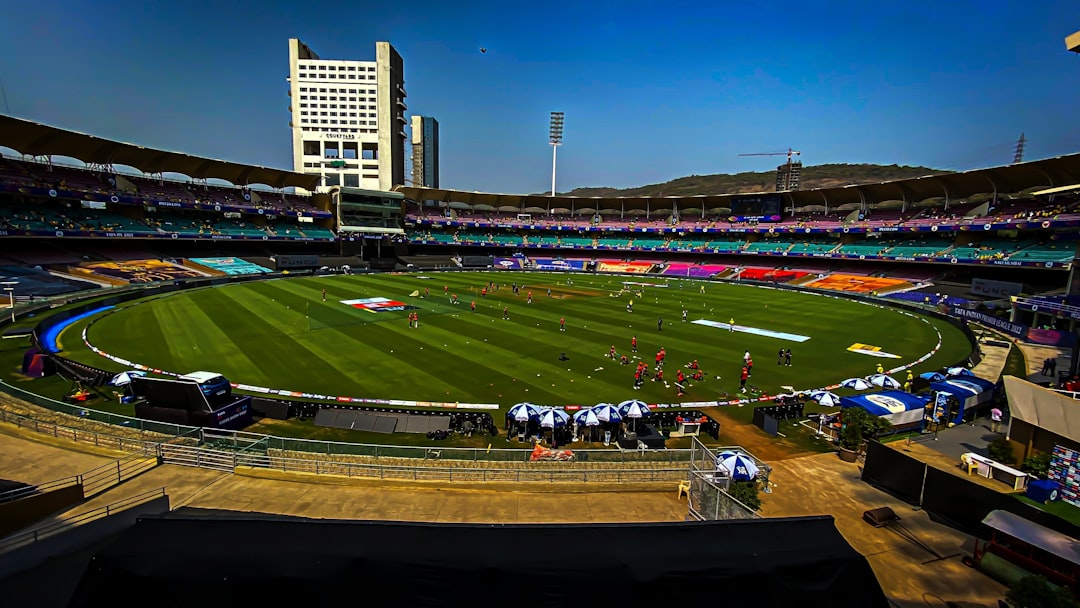
Stadium food has always been part of the live-event experience, but it is now also a serious business problem. Rising food costs, volatile supply chain conditions, and shifting fan demand are squeezing stadium concessions in the same way they are pressuring food manufacturers. The difference is that manufacturers have increasingly embraced analytics to protect margins, while many venues still rely on static menus, broad-brush pricing, and gut feel. The latest FCC report on food and beverage manufacturing is a useful warning signal: modest sales growth can hide weakening volumes, and that is exactly what many stadium operators should expect if they keep pricing and menus frozen in place.
The central lesson is simple. If the food-manufacturing sector must adapt to input-cost relief, uneven demand, and margin pressure, then stadiums must do the same with a smarter menu strategy. That means building dynamic pricing logic, using local sourcing where it makes sense, simplifying menus to reduce waste, and connecting every concession decision to match-day revenue. For event operators looking at bigger-picture monetization, this mindset is closely related to value-aware merchandise pricing, small-assortment analytics, and even performance-first decision-making in commercial strategy.
1. What the FCC outlook really says about demand, margins, and pricing power
Sales can rise while volumes fall
The FCC outlook for 2026 says food and beverage manufacturing sales may grow, but mainly because of higher prices, not stronger demand. That distinction matters because it reveals an important truth: top-line growth is not the same as real business health. Stadiums often celebrate revenue per fan without asking whether unit sales, basket size, or repeat purchases are actually improving. If fans are buying fewer items, trading down to cheaper options, or skipping snacks altogether, then a higher average price can disguise a weak concession model.
This is where stadium operators should borrow from manufacturer discipline. The food industry increasingly separates pricing gains from volume reality, then uses that gap to forecast risk and plan product changes. A stadium that measures only gross revenue is missing the signal; a stadium that tracks units per attendee, category mix, attachment rate, and queue abandonment gets a much clearer picture. That is the foundation of a modern food costs response, not a reactive scramble before playoffs or opening weekend.
Input costs are easing, but uncertainty remains
FCC notes that some raw inputs such as cattle, hogs, canola, and cocoa may ease in price, but the outlook remains uncertain because of geopolitical risks and energy-market volatility. For stadiums, that should translate into procurement discipline rather than complacency. A venue that assumes lower ingredient costs will automatically improve margin is making the same mistake as a manufacturer that forgets freight, labor, and waste. The better approach is to build a live cost model that includes ingredients, packaging, labor minutes, spoilage, and supplier variability.
One practical lesson is to create a rolling cost dashboard by category, not a single annual food budget. That dashboard should flag whether burgers, grilled chicken bowls, beverages, or desserts are drifting upward in cost faster than sales. When you pair that information with event type, attendance band, weather, and opponent profile, you can make smarter choices about which items to promote and which to retire. For venues looking to strengthen back-office execution too, faster finance reporting and ROI visibility are the same kind of operational muscle.
Margin pressure is not evenly distributed
The FCC outlook also makes clear that performance varies across subsectors. Some categories are expected to see better margins, while others remain under pressure. Stadium concessions mirror that pattern almost perfectly: beverages behave differently from hot food, premium items respond differently from value items, and game-day crowds buy differently depending on weather, timing, and fan base. A stadium menu that treats all categories equally is ignoring the most important lesson from manufacturing — margin is a portfolio, not a single number.
This is why a one-size-fits-all concession board can fail even when the venue is busy. The product mix that works for a summer concert may not work for a rainy weekday baseball game. The same logic that helps manufacturers decide where to invest capacity should help stadiums decide where to place kiosks, what to bundle, and which items deserve premium placement. If you want to understand how data can be used to tailor inventory and merchandising, see how other sectors apply localized assortment curation and hyperlocal audience mapping.
2. Why stadium concessions need a data makeover now
Fans have changed how they buy
The modern fan is more price-sensitive, more convenience-driven, and more selective than in the past. They may still want the stadium experience, but they are increasingly unwilling to overpay for a limited menu that does not feel worth the wait. That means concession strategy must be built around perceived value, not just raw margin targets. The same forces behind FMCG demand softness are at work in arenas and stadiums: consumers trade down, skip categories, or choose smaller purchases when budgets tighten.
Stadiums should therefore segment fans by behavior, not just by ticket class. Families, premium seat holders, season-ticket regulars, and casual attendees do not buy the same way. Some are willing to pay for speed, some for novelty, and others for a known item at a predictable price. The venue that identifies those patterns can manage the entire concession experience more profitably, just as manufacturers adjust to changing consumer preferences. That approach is echoed in strategies like inventory analytics for sell-through and smart product-line scaling.
Static menus create hidden waste
A large stadium menu sounds impressive, but complexity is expensive. Every extra item increases ingredient SKUs, training requirements, labor steps, prep time, and the risk of spoilage. That is why menu simplification is one of the most underused profit levers in sports venue operations. Food manufacturers have spent years rationalizing production lines to reduce waste and raise throughput; stadiums should do the same by trimming slow-moving products, consolidating similar ingredients, and designing menus around shared components.
When you simplify the menu, you do not just cut costs — you improve speed and consistency. Faster service means shorter queues, which means more fans actually buy. A smarter menu can also create stronger branding because it highlights a smaller number of signature items that are easy to market. This mirrors lessons from farm-to-cart menu design and ingredient-led product engineering, where fewer moving parts can produce a more memorable result.
Match-day revenue depends on frictionless conversion
Stadium concessions are not only about food; they are about conversion under time pressure. Fans have a limited window before first pitch, during halftime, or between periods, and every minute in line is a lost transaction. This is where data and operations intersect: if your top-selling items are also your slowest to serve, you are actively suppressing match-day revenue. An analytics-driven system helps identify items with the best blend of margin, popularity, and throughput.
In practice, that means testing whether speed-limited items should move to pre-order channels, whether premium items should be sold only at lower-volume locations, and whether beverages can carry more of the profit burden during peak congestion. The best operators think like event producers: they plan for capacity spikes, not just average demand. For a broader operational mindset, compare this with high-stakes event coverage planning and fan communication under disruption, where preparation and trust shape outcomes.
3. Dynamic pricing: the stadium concession playbook borrowed from modern revenue management
Price by demand, not habit
Dynamic pricing is not about gouging fans; it is about matching price to demand intensity and service constraints. Airlines, hotels, and ticketing teams already use this logic, and stadium concessions should be next. If a Friday-night rivalry game, a sold-out playoff match, and a low-attendance weekday fixture all have the same concession prices, the venue is leaving money on the table in one case and alienating fans in another. The goal is disciplined flexibility: premium moments should support premium pricing, while slower events may need sharper value offers.
A good dynamic pricing model starts with simple triggers. Attendance forecasts, opponent quality, weather, kickoff time, and historical basket data are enough to build a first version. You do not need a perfect AI model to begin; you need a repeatable pricing framework with guardrails. For related thinking outside stadiums, airfare timing strategy and fuel-spike monitoring show how variable pricing responds to market conditions.
Bundle with intent, not by instinct
Bundling is one of the safest ways to test dynamic pricing in a stadium environment. Instead of changing the posted price of every item, operators can vary bundles by event type or audience segment. For example, a family bundle might include snacks and drinks at a value rate, while a premium “fast lane” combo could pair a top-selling item with a higher service premium. These bundles can preserve fan goodwill because the value proposition is clear, not hidden.
The mistake is to bundle random items just to inflate the ticket. Fans can tell when a bundle is artificial. The smarter route is to build bundles around actual purchase patterns, such as beer-and-snack pairings, kids’ meals, or late-inning dessert offers. This is where data analysis matters: the menu should reflect what fans already want together. If you want a parallel from consumer strategy, look at consumer-feedback-led product labeling and visual appeal in food demand.
Protect trust while testing price elasticity
Dynamic pricing only works if fans perceive the system as fair. That means the stadium must communicate clearly, avoid abrupt surprises, and create visible value differences between price tiers. A fan is more likely to accept a higher price for a premium item if they understand why it costs more — better ingredients, faster pickup, or a limited-edition game-day special. Transparency is the bridge between higher revenue and fan acceptance.
In practice, operators should test pricing changes in controlled windows, then measure conversion rate, average order value, repeat purchasing, and complaint volume. That is how you turn pricing from a political issue into an optimization problem. If managed well, the result is healthier match-day revenue without damaging the fan experience. The lesson aligns with measurement-driven experimentation and incremental ROI proof in other industries.
4. Local sourcing as both cost hedge and brand differentiator
Reduce transport risk and increase resilience
FCC’s report highlights uncertainty across the agricultural supply chain, which is a reminder that stadiums are vulnerable to the same shocks. Local sourcing does not eliminate risk, but it can reduce exposure to long-distance freight delays, cross-border disruption, and sudden commodity spikes. In some cases, regional suppliers can also shorten replenishment cycles, making it easier to respond to weather-driven demand swings or event-day surprises. That matters when you are serving thousands of people in a narrow window.
Local sourcing also helps with menu freshness and consistency. A stadium that works with nearby producers can often design smaller, faster-turning menus that align with the season. That creates a practical business benefit: fewer dead items, more flexible replenishment, and better story value for fans. The same principle shows up in regional menu building and regional food identity in hospitality.
Tell a better story at the point of sale
Fans do not just buy food; they buy an experience, and local sourcing gives that experience a story. A regional burger, a locally baked pretzel, or a neighborhood dessert can feel more authentic than a generic mass-market item. That authenticity matters in an era when customers want value, but they also want connection. When price sensitivity rises, story can preserve willingness to pay.
The trick is to make local sourcing legible. If a stadium can clearly explain that a sandwich comes from a nearby farm or that a beverage uses local ingredients, the value proposition becomes stronger. That can help justify premium pricing while also supporting community relationships. It is similar to the way fans respond to trusted, niche authenticity in authentic merchandise and carefully curated local inventory in regional assortment strategy.
Use local sourcing to simplify the supply chain
Local sourcing is often presented as a sustainability story, but the business case is broader. A simpler supplier network reduces coordination costs, shortens lead times, and improves forecasting accuracy. If you are sourcing three related products from one nearby producer instead of six distant ones, your team can spend less time managing exceptions and more time optimizing the menu. That directly supports margin control.
There is also a resilience dividend. When one global supply route gets disrupted, stadiums without alternative sourcing can be forced into emergency substitutions that anger fans and cut margins. Operators with local backup suppliers can pivot faster and protect the experience. This is exactly the kind of flexibility modern businesses need, whether they are dealing with news shocks or business transitions.
5. Menu simplification: the fastest path to lower waste and better throughput
Fewer items, better execution
Menu simplification is one of the cleanest responses to rising food costs. When a stadium cuts the number of distinct items, it reduces procurement complexity, storage needs, and labor variability. It also makes it easier to train staff, which matters when turnover is high and event staffing is compressed. In food manufacturing terms, this is line rationalization: fewer variants, fewer errors, better throughput.
The best simplification strategy is not to slash choice blindly. Instead, identify ingredient overlaps and convert the menu into a modular system. For example, one protein might power three different items with distinct sauces or toppings. One bread format might support both premium and value offerings. That keeps variety visible to fans while making operations dramatically easier. This is similar to the logic behind smart product-line scaling and category-specific menu focus.
Build around hero items
Every stadium needs a few hero items that are easy to understand, fast to produce, and strongly associated with the venue. Hero items drive social sharing, fan memory, and operational efficiency at the same time. Instead of offering dozens of low-performing SKUs, the venue should invest in a tight core of high-velocity items that can be prepared consistently under pressure. This approach improves forecasting and reduces the chance of stockouts or waste.
Hero items also support marketing. If a stadium can promote three signature dishes rather than thirty random options, the message becomes clearer and more memorable. This is especially useful when paired with game-day campaigns, digital menus, and pre-order prompts. For inspiration on turning a tight offer into a broader brand asset, look at fan-favorite funnel strategy and event storytelling.
Reduce waste through demand-aware prep
Simplification works best when it is paired with demand-aware prep. Stadiums should not prep the same volume of every item for every game. They should use historical attendance, weather, kickoff time, and opponent data to determine which items deserve heavy prep and which should be made to order. This is where supply chain analytics becomes a profit engine rather than a back-office chore.
Even a basic model can improve results. If colder weather drives soup sales and hotter weather drives beverage sales, the prep plan should reflect that. If rivalry games create larger premium demand, prep and staffing should follow. This kind of operational sequencing is similar to how early-session design and quick preview formats work in sports media: the structure is built around predictable audience behavior.
6. A practical data framework for stadium concession teams
What to track every game
To build a genuine data makeover, stadiums need a lean but rigorous measurement stack. At minimum, track units sold per attendee, average transaction value, item-level gross margin, queue times, spoilage, labor minutes per transaction, and basket mix by section or gate. This should be broken out by event type because football, baseball, concerts, and family events behave differently. Without that segmentation, you are averaging away the truth.
You should also track operational triggers. Weather, attendance forecast, start time, and opponent profile all influence buying behavior. Add in digital-order usage, POS downtime, and concession stand conversion rate, and you have the beginnings of a true performance dashboard. That kind of dashboard is directly aligned with how analytics-first organizations operate in other sectors, including observability-focused operations and digital twin thinking.
Sample concession comparison table
| Strategy | Main Benefit | Main Risk | Best Use Case | Data Signal to Watch |
|---|---|---|---|---|
| Static pricing | Simple to manage | Misses demand peaks | Low-variance events | Conversion rate by event type |
| Dynamic pricing | Captures premium demand | Fan backlash if opaque | High-demand matches and playoffs | AOV, complaint rate, attach rate |
| Local sourcing | Resilience and freshness | Supplier coordination effort | Signature or seasonal items | Lead times, spoilage, cost per unit |
| Menu simplification | Lower waste and faster service | Less variety if overdone | All high-volume venues | Throughput, training time, waste |
| Bundled offers | Raises basket value | Artificial bundles underperform | Family games and mid-tier events | Bundle conversion, basket mix |
Build weekly decision reviews
Data is only useful if it changes decisions. Stadium operators should hold weekly cross-functional reviews that include procurement, culinary, operations, finance, and guest experience. The purpose is to decide what to reorder, what to discontinue, what to reprice, and what to promote next. That meeting should feel less like a status update and more like a revenue management session.
When these reviews are consistent, the organization can move from reactive to predictive. That is the critical shift food manufacturers are making, and stadiums must do the same if they want to hold margins while fans remain price-sensitive. Similar discipline shows up in TCO-focused software decisions and clean accounting for decision events.
7. Turning food-manufacturing lessons into stadium revenue growth
Think like a manufacturer, operate like a hospitality brand
Stadium concessions sit at the intersection of manufacturing, retail, and hospitality. That means they need the discipline of a factory and the empathy of a service brand. FCC’s outlook makes the manufacturing side clear: manage input costs, protect margins, and adapt to uneven demand. The stadium extension is straightforward: simplify the menu, localize where possible, and price with more intelligence.
The best operators will not chase every trend. They will choose a small number of repeatable levers and execute them relentlessly. That may mean a tighter assortment, more resilient sourcing, and more variable pricing by event type. It may also mean less emphasis on novelty and more emphasis on operational consistency. For a broader commercial lens, see how companies build scalable commercial playbooks in high-stakes event scaling and analytics test-and-learn culture.
Match-day revenue grows when friction falls
In the end, the point of all these changes is not just to raise menu margin; it is to improve the entire match-day monetization system. If fans can find what they want quickly, understand the price, and feel like the offer is fair, they will spend more often and complain less. That is how data becomes a revenue driver instead of just a reporting layer. And when the concession program becomes more predictable, finance, procurement, and operations can all plan better.
For stadium leaders, the business case is now stronger than ever. The same market forces that have pushed food manufacturers toward smarter cost control are reshaping consumer expectations in live sports. If you want healthier margins, you need better data, better menus, and better pricing. If you want sustainable growth, you need to treat concessions as a strategic revenue platform, not an afterthought.
What smart stadiums should do next
Start with three pilots: one dynamic pricing test, one local sourcing initiative, and one menu simplification project. Measure the results over multiple event types and compare them against a control group. Then use the findings to refine the concession model for the next season. The venues that move first will learn fastest, protect margins sooner, and create a better fan experience along the way.
Pro Tip: The most profitable concession menu is rarely the biggest one. It is the one with the highest combination of speed, margin, and fan clarity. If you can serve it faster, source it smarter, and price it more precisely, you are already ahead of most stadiums in the market.
8. FAQ: Stadium concessions, FCC insights, and revenue strategy
Why is the FCC food-manufacturing outlook relevant to stadium concessions?
Because both businesses depend on ingredient costs, supplier stability, consumer demand, and margin discipline. FCC’s warning about modest sales growth and declining volumes is a strong signal that stadiums should not rely on price increases alone. They need smarter menu and pricing decisions to protect profit.
How can dynamic pricing work without upsetting fans?
Use clear rules, limited test windows, and visible value differences. Fans tend to accept price variation when it is tied to demand, convenience, or premium service. Transparency and consistency are essential.
Does local sourcing really lower costs?
Not always on the sticker price, but it can lower total operating cost by reducing freight risk, shortening replenishment cycles, and improving menu flexibility. It can also support a stronger brand story and better freshness.
What is the biggest waste problem in stadium concessions?
Usually it is overcomplexity: too many SKUs, too much prep, and too much inventory for items that do not move fast enough. Menu simplification and demand-aware prep usually deliver the quickest gains.
What should a stadium measure first if it wants better food margins?
Start with units per attendee, average transaction value, item-level gross margin, spoilage, and queue time. Those five signals tell you whether pricing, assortment, or service speed is the bigger issue.
Related Reading
- Team Spirit on a Budget: How to Find Authentic Fan Merchandise Deals Without Sacrificing Quality - Learn how value-aware fan spending can inform venue pricing and merchandising strategy.
- Small Toy Store, Big Data: Easy Analytics Hacks to Stock What Sells - A practical look at using sell-through data to improve assortment decisions.
- Farm-to-Cart: How Street Vendors Can Use the USDA’s Regional Organic Toolkit to Build Better Menus - Useful ideas for local sourcing and menu construction at speed.
- Navigating News Shocks: Building a content calendar that survives geopolitical volatility - A strong framework for planning through supply-chain uncertainty.
- When Finance Reporting Slows Your Store: 5 Fixes To Close the Books Faster - Helpful for operators trying to sharpen margin visibility and decision speed.