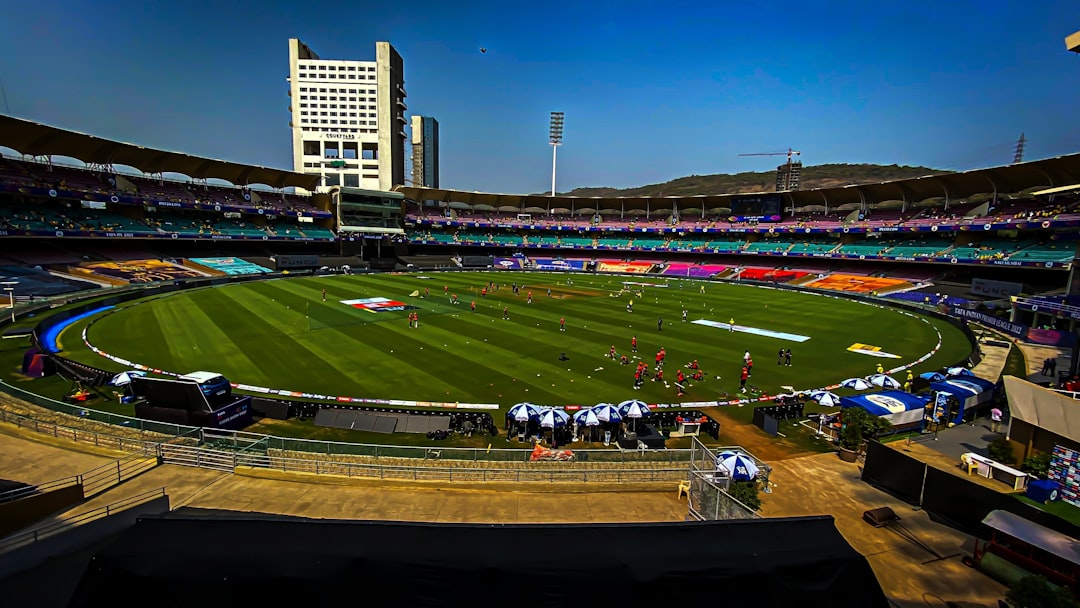
Cricket grounds are under pressure on two fronts: fans want better matchday food experiences, while operators face rising costs, uncertain volumes, and tougher supply chains. That combination is exactly why local sourcing is no longer a nice-to-have sustainability story; it is a practical commercial strategy. When clubs build matchday partnerships with nearby producers and small manufacturers, they can shorten supply routes, create exclusive offers, and tell a more credible community-first story to fans, sponsors, and local government. The result is stronger supply-chain resilience, better differentiation in stadium food, and a more defensible F&B model in a volatile market.
This guide explains how cricket clubs can turn cost pressure into community value using a partnership model that benefits both sides. It draws on the wider lesson from evidence-led sport management: the best decisions are not made by instinct alone, but by combining local knowledge with data, audience insight, and commercial discipline. That same approach has helped clubs and community organisations improve planning and outcomes in other sectors, as seen in data-informed community sport case studies. It also fits the reality facing manufacturers: as FCC has noted, food and beverage producers are dealing with weak demand, input-cost pressure, and uneven margins, which means they need routes to market that improve volume and brand visibility without demanding national-scale distribution.
Why Local Food Partnerships Make Sense Now
Cost pressure is forcing a rethink of matchday supply chains
For many venues, the old model of buying everything through a small number of large distributors is becoming more fragile. Transport costs, minimum order quantities, packaging inflation, and unpredictable ingredient pricing all squeeze margin. FCC’s outlook for food and beverage manufacturing highlights a sector where sales volumes remain under pressure even when revenues rise, which means suppliers are looking for smarter, more stable demand channels. Cricket clubs can become exactly that kind of channel: predictable event-based demand, strong brand visibility, and a chance to test products in a premium live environment. Instead of treating local producers as a CSR add-on, the club should treat them as a core part of F&B strategy.
This is where the economics work on both sides. Clubs reduce exposure to long supply chains, while local producers gain a high-visibility retail space that can move product quickly, especially during peak attendance windows. Small manufacturers often struggle with customer acquisition and distribution economics, so a ground-based partnership can be far more valuable than a low-margin supermarket listing. For clubs, that means a more flexible menu, fresher products, and the ability to build exclusivity around local identity. For a broader lesson in how audience and commerce intersect, see how cultural brands use “ending on a high note” strategies to shape audience loyalty.
Fans increasingly expect authenticity, not generic concession food
Cricket fans have become more sophisticated about what they buy at stadiums. They do not just want volume; they want food that feels tied to place, season, and matchday ritual. That is why stadium food is increasingly judged on story as much as taste. A pie made by a local baker, a burger bun supplied by a family bakery, or a craft soft drink brewed within 30 miles carries more emotional weight than a standard commodity item. The emotional premium matters because fans will often pay a little more for food they perceive as genuine and connected to their club community.
This is also a sponsorship opportunity. Brands want association with place, purpose, and community outcomes, not just signage. A club that can say its matchday menu supports local producers, reduces food miles, and keeps money circulating in the region has a story that resonates with partners. It aligns neatly with the broader principle of mission-based procurement, where buying decisions are used to achieve social and economic goals beyond the immediate transaction. Cricket grounds can adopt that same mindset at a local scale.
Shorter supply chains create resilience, not just sustainability headlines
Shortening the chain is not only about carbon reduction. It also improves flexibility when disruptions hit. If a national distributor misses a delivery, a venue can be left without enough buns, milk, or prepared components for peak time sales. Local suppliers are often better positioned to respond quickly, especially when the venue has built trusted relationships and clear forecasting rhythms. That is the practical side of supply-chain resilience: fewer handoffs, shorter distances, and faster communication when something changes.
Venue operators who understand logistics can borrow thinking from other complex systems. The same logic that underpins contract strategies for price volatility applies to food: reduce reliance on single-source inputs, build alternate supply routes, and use contract structures that share risk fairly. Clubs do not need to eliminate large suppliers entirely. They need a portfolio approach that blends local, regional, and conventional channels so matchday service remains reliable even when markets fluctuate.
The Business Case: How Local Partnerships Improve F&B Economics
Lower waste and tighter forecasting improve gross margin
One of the biggest hidden costs in stadium food is waste. Generic menus often require broad inventory, long storage windows, and poor sell-through on lower-demand items. Local partnerships help solve that by enabling smaller batch production and more precise menu planning. A venue can create a limited number of signature items tied to local ingredients and forecast them against expected attendance segments, weather, and opponent profile. That means fewer dead-stock items, less spoilage, and less margin leakage.
There is also a commercial benefit in menu engineering. By focusing on a few hero items, the club can raise speed of service and improve basket size. For tactical menu pricing ideas, clubs can borrow from menu engineering and pricing strategies, which show how premium placement, portion design, and perceived value shape purchasing behavior. A local smoked-chicken roll, for example, can command a higher margin if it is positioned as a signature house item rather than a commodity sandwich.
Exclusive products help clubs escape the “same as everywhere else” trap
Matchday food becomes much more interesting when it cannot be bought anywhere else. Exclusive products give fans a reason to choose the ground’s F&B over outside options, and they make food part of the event experience. A cricket club could launch a local sausage roll named after a legendary player, a cider made with regional orchards, or a vegetarian pie built from a nearby plant-based producer’s recipe. Exclusivity drives curiosity, and curiosity drives trial.
This is where community partnerships become more than a cost tactic. They become brand architecture. Limited-edition items allow clubs to rotate offerings by opponent, season, or campaign, creating repeat visits and social sharing. It is similar to how early-access product tests help brands de-risk launches: use the stadium as a live test environment, learn what sells, then scale the winners. The club gets data, the producer gets exposure, and fans get something special.
Local procurement can support sponsor ROI and storytelling
Sponsors increasingly look for measurable community impact. A local food strategy gives them a platform for both visibility and purpose-led storytelling. Instead of sponsoring a generic concession stand, a partner can support a “local makers zone,” a farmer spotlight, or a matchday menu takeover tied to regional produce. That kind of activation offers more depth than simple logo placement because it connects directly to community outcomes: jobs, local spend, reduced transport, and better fan experience.
To make that story credible, clubs should use evidence and reporting, not just claims. That means tracking local spend, number of suppliers supported, menu penetration, customer feedback, and waste reduction. The underlying lesson mirrors the way organisations use evidence-based decision making to strengthen planning and community reach. When clubs can quantify the impact, sponsors are more likely to renew and expand their commitments.
What a Strong Local Sourcing Model Looks Like
Build a tiered supplier structure instead of one-off charity buying
Successful local sourcing is structured. It is not a random list of nearby businesses placed on a poster. Start with a tiered model: core staples from reliable regional partners, seasonal items from local producers, and limited-edition feature products from small manufacturers. This setup balances consistency with creativity. It also avoids putting too much strain on tiny businesses that cannot fulfill every order size or every product line.
Clubs should map suppliers by category: bakery, meat, vegetarian, dairy, drinks, condiments, packaging, and ready-to-eat snacks. Some suppliers may only be able to handle peak Saturdays, while others can support midweek fixtures or training days. The point is to build a portfolio that can flex. If clubs need a model for balancing service and resilience, they can look at operational frameworks used in other industries, including data-flow-driven layout design and telemetry-to-decision pipelines, both of which show how systems work better when information moves cleanly from demand to action.
Use purchasing data to identify the right products to localize
Not every item needs to be local. The best way to begin is by looking at purchase data and identifying where local substitution will have the biggest effect. High-volume, high-visibility categories are ideal: pies, buns, coffee, craft beverages, ice cream, and snack packs. These are products fans notice immediately, and they often have enough margin to absorb a slightly different supply structure. By contrast, highly standardized ingredients with extreme price sensitivity may be better left to the existing distribution network.
Data should guide the rollout. Clubs that build reliable reporting around footfall, product mix, and sales by time interval can better forecast supplier needs and avoid over-ordering. That mindset reflects the same evidence-led shift seen in community sport planning, where real data replaces intuition. It also helps clubs make confident decisions about which partnerships deserve long-term contracts and which ones should remain seasonal trials.
Design menus around the story of place
The strongest community-first food programs do more than list supplier names. They weave geography into the menu. A “county pie,” a “harbor burger,” or a “farm-to-stand flatbread” gives fans a sense of origin and identity. The better the story, the easier it is to market. People remember food that feels attached to the club and the region, especially if signage explains where the ingredients came from and why that matters.
That said, story alone is not enough. The food still has to taste good, travel well, and hold quality during peak service. Clubs should run tastings with vendors, chefs, operations teams, and fan panels. For a practical model of how feedback loops improve product quality, see feedback loops between diners, chefs, and producers. The same principle applies in stadium food: the fastest route to better products is structured feedback from the people buying and serving them.
How to Build Matchday Partnerships That Work for Small Producers
Start with fair terms and operational simplicity
Many clubs want local partners but unintentionally set them up to fail. Small producers cannot always cope with complicated invoicing, long payment terms, broad liability requirements, or last-minute menu changes. If a club wants reliable local supply, it must make the onboarding process simple and commercially fair. That means clear specifications, realistic volumes, sensible notice periods, and prompt payment. It also means understanding that small businesses operate with tighter cash flow than national distributors.
In practice, clubs should draft partnership terms that protect both sides without burying small suppliers in admin. Pay faster if possible. Offer fixed windows for ordering. Avoid unrealistic service-level agreements that force tiny manufacturers into risky commitments. This is similar to the logic behind merchant onboarding best practices: reduce friction, keep compliance clear, and design the process so good partners can scale without getting lost in bureaucracy.
Co-create products rather than simply buying wholesale
The most successful local partnerships often involve co-development. Rather than asking a bakery to supply a generic product, the club and producer can create something exclusive together. That might mean a pie recipe tailored to local fan preferences, a commemorative snack pack, or a matchday beverage that references the club’s history. Co-creation deepens the relationship and makes the product more defensible against copycats.
Co-development also creates marketing leverage. Fans are more likely to try a product if they know it was created specifically for the ground. Producers benefit because their brand becomes linked to a major live event and a loyal fan base. This approach resembles the logic of turning event contacts into long-term buyers: the initial encounter matters, but the long-term value comes from relationship design and follow-through.
Use trial periods before full rollouts
Clubs do not need to switch the whole F&B operation at once. Start with a pilot stand, a themed fixture, or a limited run around a derby match. Then measure sales, queue times, customer satisfaction, spoilage, and operational friction. If the product performs, expand it. If it does not, refine it. This trial approach is especially helpful for small producers because it reduces financial risk and allows the club to adapt ordering volumes based on real demand rather than assumptions.
There is a broader lesson here about experimentation in media and brand strategy. Just as clubs can learn from content experiments to win back audience attention, venue operators can use controlled tests to see which food concepts actually convert. A small pilot can reveal whether fans value the local story, the taste, the price point, or all three.
Commercial and Community Storytelling That Resonates
Make the impact visible on concourses, screens, and digital channels
A good local food strategy should be easy to see. If fans have to read a long policy document to understand the initiative, the story is failing. Use concourse signage, digital boards, in-program features, and social posts to show where products come from and who benefits. The key message should be simple: when fans buy a local item, they are supporting local jobs, local businesses, and a more resilient club ecosystem. That message is especially powerful when paired with named suppliers and specific place references.
Clubs can also use email, SMS, and app messaging to spotlight featured local items before matchday. In commercial terms, this is the same principle behind exclusive offers through email and SMS: limited-time visibility drives attention and action. If fans know a local special is only available at this fixture, it becomes part of the matchday ritual.
Turn supplier stories into sponsor and member value
Every local producer has a story: a family business, a regional craft tradition, a new manufacturing line, or an innovation in packaging or sourcing. Clubs should package those stories for sponsors and members. A sponsor might fund a “local heroes” content series. Members might get early access to limited-edition products. Community partners could be invited to tasting sessions or maker markets on non-match days. These touches strengthen the emotional connection between club, producer, and fan.
The best community stories are not vague. They are specific, measurable, and repeated. For example: “This season, our matchday menu includes five products made within 40 miles of the ground.” That is stronger than saying “we support local businesses.” It gives fans something concrete to remember and share. It also helps clubs stand out in a crowded sports market, much like publishers that rebuild loyalty through regional relevance in local audience strategies.
Use merchandising and bundles to raise average spend
Local sourcing does not have to reduce revenue; it can raise it if packaged intelligently. Bundle a local snack with a drink, add limited-edition matchday packaging, or create a “taste of the region” combo that delivers clear value. Clubs can even pair food with merchandise by creating themed cups, reusable containers, or souvenir packaging for big fixtures. The aim is to transform food into a collectible part of the matchday experience.
For clubs exploring broader fan monetization, there are useful parallels in how brands build recurring value around gifts and subscriptions. A one-time purchase becomes more powerful when it feels like part of a bigger membership journey, as seen in subscription gifting strategies. The same principle applies to matchday food: create repeatable rituals that fans look forward to every visit.
Risks, Trade-Offs, and How to Avoid Common Mistakes
Do not romanticize local if the quality or availability is inconsistent
Local is not automatically better. If a supplier cannot meet food safety standards, deliver consistently, or maintain quality under stadium conditions, the club’s reputation will suffer. Fans are forgiving of small imperfections in artisan products, but they are not forgiving of long queues, missing menu items, or poor taste. Clubs need strict but supportive quality checks, tasting panels, and service testing before any product goes live.
This is why evidence matters. If a local product performs well in a tasting room but falls apart in a high-volume service window, it is not yet ready. Clubs should combine supplier enthusiasm with operational realism. The goal is not to celebrate locality at the expense of reliability; it is to build a better system in which local can compete on quality, consistency, and value.
Avoid overloading tiny producers with peak-demand expectations
Many small businesses can handle regular deliveries but struggle with sudden spikes. Big derby crowds, finals, and festival-style matches can create ordering surges that overwhelm production capacity. Clubs should plan for these peaks in advance and share projections early. If a local producer can only supply certain fixtures, that is fine; the partnership should be structured around capacity, not wishful thinking.
There is a useful analogy here from infrastructure and service design: systems should respect throughput limits. Just as flow and efficiency matter in renovation logistics, they matter in stadium supply too. Build around the reality of production, storage, and delivery rather than forcing a small partner into a format designed for a national wholesaler.
Be careful with claims about carbon and community impact
Local sourcing can reduce transport distance, but carbon outcomes depend on packaging, refrigeration, production methods, and waste. Clubs should avoid sweeping claims unless they have the data to support them. The same caution applies to “community impact” messaging. Saying that a supplier is local is useful; proving local job creation, spend retention, or reduced waste is far more persuasive. Fans, sponsors, and regulators all respond better to transparent claims than vague green language.
If a club wants to communicate sustainability credibly, it should treat impact data like a performance metric. Track it, review it, improve it. That discipline is consistent with the wider trend toward evidence-based sport management highlighted in community planning case studies. And because stadium food is highly visible, any exaggeration is quickly noticed. Trust is built through specificity and consistency, not slogans.
A Practical Playbook for Cricket Clubs
Step 1: Audit current spend and identify localizable categories
Start by mapping current F&B spend across categories, suppliers, volumes, and wastage. Look for products that are high-volume, easy to standardize, and easy to tell a story about. Bakery items, drinks, confectionery, and packaged snacks are usually the first candidates. Build a shortlist of local producers and small manufacturers within a realistic delivery radius, then assess their capacity, pricing, certification, and reliability.
The audit should also include fan behavior. Which items sell fastest? Which stalls create bottlenecks? Which products have the highest margin? If clubs want a smarter process, they should borrow from real-time retail query platforms and other analytics-first systems: use live information to respond to demand, not guesswork. Better data leads to better menu decisions.
Step 2: Design pilot partnerships with clear success metrics
Every pilot should have clear goals: sales target, margin target, queue-time impact, customer satisfaction, and waste reduction. Assign one internal owner from the commercial team and one from operations. Then agree on a short review window after each fixture. If a product succeeds, expand it. If it struggles, refine the recipe, packaging, or placement before judging the partner too harshly.
Clubs should also define what success means for the producer. Is it direct revenue, brand awareness, recurring orders, or new wholesale relationships? A good partnership should create mutual value, not just short-term volume for the club. This is why the right model often looks more like a strategic collaboration than a simple supplier agreement.
Step 3: Market the partnership as part of the fan experience
Matchday food should be woven into the event narrative. Use pre-match emails, stadium boards, and social content to announce limited items and local supplier features. Invite producers to appearance days or concourse activations when practical. Capture behind-the-scenes content showing how food gets from local maker to fan hand. Those stories are sticky because they humanize the operation and make the club feel embedded in the region.
To deepen engagement, clubs can also use fan participation tools such as polls, tasting votes, or name-the-product contests. The principle is simple: people support what they help create. That same logic has been used successfully in audience engagement formats from sports media to interactive campaigns. The more the fan feels ownership, the stronger the conversion.
Comparison Table: Local Sourcing Models for Cricket Grounds
| Model | Best For | Advantages | Risks | Commercial Fit |
|---|---|---|---|---|
| Traditional centralized distribution | High-volume staple items | Consistency, scale, simple logistics | Less differentiation, longer supply chains | Good for baseline items |
| Local direct supply | Signature matchday items | Shorter routes, fresher products, stronger story | Capacity limits, variable pricing | Strong for premium and local branding |
| Hybrid procurement | Most cricket grounds | Balances resilience, cost, and flexibility | Requires more planning and coordination | Best all-round model |
| Co-developed exclusive products | Big fixtures and campaigns | High fan interest, sponsor appeal, unique identity | Needs testing and recipe discipline | Excellent for margin and engagement |
| Seasonal rotating partnerships | Clubs with active local producer networks | Fresh storytelling, menu variety, community reach | Operational complexity if not standardized | Great for engagement and repeat visits |
FAQ: Local Food Partnerships at Cricket Grounds
1. Is local sourcing always more expensive than buying through national distributors?
Not always. Local sourcing can look pricier on unit cost, but the total economics may improve once you account for lower waste, better menu differentiation, and higher fan willingness to pay for exclusive items. The key is to compare gross margin, not just purchase price. In many cases, a local product sold at the right premium outperforms a cheaper commodity item because it sells faster and creates a stronger customer experience.
2. How do clubs avoid overpromising to small producers?
Be honest about forecast ranges, peak fixture risk, and service expectations from the start. Start with pilots and low-risk orders, then scale only when the partner has shown consistent capacity. It also helps to pay on time and keep admin simple, because cash flow is often the biggest pressure point for small manufacturers. Reliable communication is as important as the contract itself.
3. What products are best suited to local partnerships?
Start with products that are visible, repeatable, and easy to explain to fans: pies, baked goods, drinks, sauces, snack packs, and dessert items. These categories give you a good mix of story, margin, and operational simplicity. If a product travels well and can maintain quality during peak service, it is a strong candidate for testing.
4. How can clubs prove the sustainability value of local sourcing?
Track measurable indicators: supplier distance, local spend, waste reduction, menu sell-through, packaging choices, and customer response. Avoid making carbon claims without evidence, because the real sustainability benefit may come from several factors working together, not distance alone. Transparent reporting builds trust with fans and sponsors and helps clubs refine the model over time.
5. Can local food partnerships really help sponsor sales and retention?
Yes, because sponsors want meaningful association, not just visibility. A local food program gives them a community-first story backed by tangible impact: regional jobs, business support, and a better matchday experience. That makes sponsorship easier to activate and easier to renew. It also opens doors for joint events, supplier spotlights, and branded campaigns that feel authentic rather than forced.
6. What is the biggest mistake clubs make when launching local food initiatives?
The biggest mistake is treating local sourcing as a one-off marketing campaign instead of an operational model. If procurement, forecasting, pricing, and storytelling are not aligned, the initiative can become messy quickly. The clubs that succeed are the ones that treat it as a structured commercial program with clear owners, repeatable processes, and measured outcomes.
Conclusion: Community-First Food Is a Competitive Advantage
Local food partnerships work because they solve real problems. They reduce dependence on long and fragile supply chains, create better matchday offerings, and help clubs build a more resilient and distinctive F&B model. They also unlock a stronger community story, one that resonates with fans, sponsors, and local stakeholders because it is visible, practical, and economically grounded. In a market where manufacturers face margin pressure and clubs face rising expectations, that kind of partnership is not a side project; it is a strategic advantage.
The clubs that win will be the ones that combine local sourcing with operational discipline, evidence, and fan insight. They will choose partners carefully, test products intelligently, and communicate impact clearly. Most importantly, they will understand that a cricket ground is not just a place to watch the game. It is a local marketplace, a community asset, and a stage for stories that fans can taste as well as hear. For further reading on related commercial and audience strategies, explore feedback loops in product quality, mission-based procurement, and using structured market data to spot shortages and trends.
Related Reading
- Chef’s AI Playbook: Menu Engineering and Pricing Strategies Borrowed from Retail Merchandising - A tactical look at pricing, placement, and menu design that can lift stadium F&B margins.
- Turn Tasting Notes into Better Oil: Designing Feedback Loops Between Diners, Chefs and Producers - Useful for clubs building better supplier feedback loops and product refinement systems.
- Feed Your Creative Forecasts: Using Structured Market Data to Spot Material Shortages and Trends - Helps venue teams think more strategically about ingredient availability and planning.
- Design Patterns for Real-Time Retail Query Platforms: Delivering Predictive Insights at Scale - Relevant for clubs that want faster, data-led decisions on product mix and replenishment.
- Exclusive Offers: How to Unlock the Best Deals Through Email and SMS Alerts - A strong reference for promoting limited-time local food offers to members and fans.