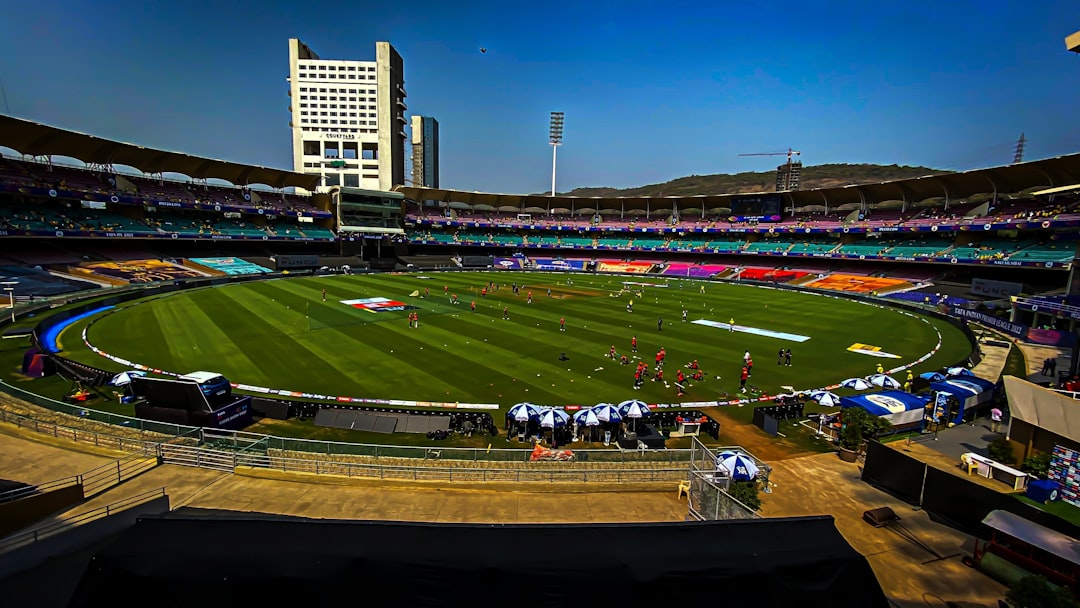
Why B2B Marketing Belongs in the Locker Room
The best club marketing teams already know a hard truth: fans are not one audience. They are a layered ecosystem of season-ticket loyalists, casual followers, merch buyers, social scrollers, youth players, alumni, and lapsed supporters who may return if the message hits the right nerve. That is exactly why the Cypress HCM-style playbook of messaging, segmentation, and product positioning is so useful for sports organizations. If a B2B company can tailor value to different buyer groups, a club can do the same for fans—only with more emotion, more identity, and much higher stakes for loyalty.
Think of this as a practical sports marketing system, not a theory exercise. The same discipline used in packaging solar services so homeowners instantly understand the offer can help clubs turn complex ticket bundles, memberships, streaming access, and community programs into clear fan benefits. Likewise, the operational mindset behind market-driven RFPs and competitive intelligence is exactly what clubs need when they benchmark rivals, audit their CRM, and decide what makes their fan proposition unique. In other words: B2B marketing is not “corporate” in a bad way; it is simply structured, and structure is what fan retention needs.
Pro Tip: The clubs that win long-term do not just sell more tickets. They build a fan CRM that recognizes intent, history, and context—then they send the right campaign to the right person at the right moment.
If you want to see how content systems and audience timing can be turned into repeatable outputs, the same logic appears in repurposing one story into many content assets and digital media revenue trends. Sports clubs can apply those lessons to matchday stories, player milestones, highlight clips, and personalized follow-ups that keep fans engaged between fixtures.
Start with Segmentation: Stop Treating Every Fan the Same
Build segments based on behavior, not only demographics
Fan segmentation is the foundation of any serious retention strategy. Clubs often over-rely on age, geography, or membership tier, but the strongest segments are behavior-led: frequency of attendance, purchase history, digital engagement, content preferences, and churn risk. A fan who watches every highlight, opens every email, and buys one jersey a year behaves very differently from a local supporter who only attends derby games. Those are different retention problems, so they need different campaigns.
This is where CRM becomes more than a database. A modern sports CRM should track every meaningful signal: ticket scans, app sessions, newsletter clicks, merchandise orders, watch-time on highlights, referral activity, and customer service interactions. Clubs that understand this can borrow from the same audience logic used in esports retention analysis, where follower count alone is treated as vanity and deeper engagement metrics determine value. If you measure the wrong thing, you market to noise instead of intent.
The lesson from customer-care playbooks is also relevant: segmentation should improve service, not just targeting. If a family season-ticket holder keeps missing midweek matches, the club should not simply keep selling the same product. It should identify childcare-friendly bundles, earlier kickoff incentives, or flexible exchanges. When clubs segment well, fans feel recognized rather than processed.
Create 5 core fan personas you can actually activate
A useful starting model is five working segments: core loyalists, casual locals, digital-first followers, at-risk lapsers, and community-driven supporters. Core loyalists are highly engaged and usually respond to exclusivity, recognition, and access. Casual locals care about convenience, price, and social proof. Digital-first followers want short-form content, immediate updates, and mobile-first offers. At-risk lapsers need reactivation, not generic promotions. Community-driven supporters want belonging, local identity, and shared purpose.
These personas mirror the logic behind buyer personas and traveler-type segmentation: different motivations create different purchase triggers. A club that treats everyone as a “fan” misses the reason they show up. Some fans want a better seat, some want a better story, and some want to feel like they belong to something bigger than the table of contents in the season brochure.
To operationalize this, create a segment map in your CRM with clear rules. For example, define a digital-first follower as someone who has opened three straight emails, watched two highlight reels, and not purchased tickets in 90 days. Define a core loyalist as someone with 8+ attendances, two merch purchases, and repeat app usage during live matches. Once segments are clear, campaigns become simpler to build and far more relevant to receive.
Use lifecycle stages to predict retention risk
Good segmentation also includes lifecycle stage. New fans should not receive the same journey as long-term season-ticket holders. First-time attendees need welcome content, stadium navigation, and a reason to come back. Existing members need renewal reminders, benefits reinforcement, and moments of appreciation. Lapsed fans need a comeback story, often triggered by a marquee fixture, rivalry match, or player milestone.
The best analogy here is logistics: if you do not know where the package is in transit, you cannot fix the delivery. The same principle shows up in fleet reporting analytics and reliability-focused vendor strategy. Sports organizations need the same discipline. Lifecycle-aware marketing is what turns “one more email” into a carefully timed retention intervention.
Messaging Strategy: Sell the Feeling, Then the Feature
Turn your club’s value proposition into one line fans instantly get
Product positioning for clubs should be as sharp as a strong B2B offer statement. Fans should immediately understand why the club matters to them beyond wins and losses. Is the club the city’s heartbeat? The family tradition? The most accessible live entertainment in the region? The developer playbook at Cypress HCM—owning messaging, segmentation, product positioning, and insights—translates perfectly here. Clubs need one clear sentence that explains what the fan experience is for, who it is for, and why it feels different from alternatives.
That kind of clarity is the same reason new product launches can win shelf attention and why real tech deal framing works: people buy faster when the value is obvious. In sports, that means moving beyond “buy tickets” language. A stronger message might be, “Come for the rivalry, stay for the community, and leave with a memory your kid will still talk about next season.”
This is especially important when clubs sell mixed products—tickets, memberships, streaming, hospitality, merch, and community programs. The fan should not feel they are decoding a rate card. The message should answer three questions instantly: What do I get? Why does it matter? Why now? If a club cannot answer those three in one sentence, the messaging strategy is too vague.
Write messages for motivations, not channels
Clubs often write the same message and then resize it for email, SMS, app push, and social media. That is channel adaptation, not messaging strategy. True messaging starts with motivation. A family package should be framed around ease and shared time, while a premium hospitality offer should be framed around access and status. A youth academy update should emphasize development and aspiration, while a reactivation campaign should focus on missing identity and belonging.
There is a useful parallel in e-commerce segmentation by zodiac: the content may be playful, but the principle is real—people respond to different emotional triggers. In sports, those triggers can include pride, nostalgia, exclusivity, convenience, rivalry, and proximity to the action. Messaging that ignores those motivations tends to underperform even when the design is excellent.
For clubs, the practical test is simple: can a supporter identify themselves in the copy? If not, the message is generic. Use “you” language, specific pain points, and concrete outcomes. Instead of “Join us this season,” say “Get the flexibility to attend the matches that fit your schedule and still feel part of every moment.” That line works because it speaks to a real constraint and offers a real solution.
Map messages to the fan journey
Your messaging should not be static. It should move with the fan. At discovery stage, focus on identity and story. At consideration stage, focus on value, convenience, and social proof. At purchase stage, reduce friction with simple offers and urgency. At post-match stage, focus on emotion, highlights, and recognition. At renewal stage, focus on rewards, belonging, and continuity.
This is where many clubs can learn from nonprofit marketing authenticity and community outreach after controversy: audiences forgive a lot, but they do not forgive feeling manipulated. Fan messaging works best when it sounds human, specific, and emotionally credible. That credibility becomes especially important during losing streaks, coaching changes, or player departures, when the relationship is under stress.
Product Positioning: Make the Fan Offer Feel Distinct
Position the club as a solution, not a commodity
Product positioning is what separates a club with “tickets” from a club with a reason to buy those tickets. In a crowded entertainment market, fans compare you with cinema, concerts, streaming, local festivals, and staying home. So the club’s offer must be positioned around the unique value of live sports: unpredictability, atmosphere, social belonging, and access to a real-time community. If you do not articulate this, price becomes the only visible differentiator.
This mirrors the logic in luxury condo value benchmarking and premium product pricing: buyers pay more when they clearly perceive differentiated value. Clubs should position premium seating, fan zones, and memberships as experiences, not line items. The key is to make the product ladder logical: entry-level for first-timers, value bundles for repeat visitors, premium tiers for superfans, and VIP paths for high-spend supporters.
Build a differentiated offer architecture
A strong club product architecture should include at least four layers: discovery offers, repeat-visit bundles, loyalty tiers, and premium experiences. Discovery offers might include family nights, student pricing, or first-match incentives. Repeat-visit bundles can reward attendance patterns. Loyalty tiers should create status and progression. Premium experiences should offer access, intimacy, and memorable moments.
Think of this like hotel points and flexible booking strategy or import checklists for complex purchases. The value is in making the buying path feel manageable and rewarding. If a fan cannot tell the difference between your membership tiers, they will default to the cheapest option or no option at all.
Positioning should also explain what not to expect. A club that is family-first should say so. A club that is high-energy and nightlife-adjacent should say that too. Clarity attracts the right fans and filters out mismatch. That is not a loss; it is strategic retention.
Benchmark the competition, then own your lane
Competitive research is one of the most underused tools in fan engagement. Clubs often know their rivals on the field but not in the market. They should be auditing ticket offers, membership benefits, social tone, merch positioning, and email cadence across peers and adjacent entertainment brands. Competitive insights help identify white space: maybe nobody owns midweek convenience, affordable family nights, or behind-the-scenes access.
The same logic appears in esports ad and retention data and live AI ops dashboard thinking: monitor what matters, compare performance honestly, and act quickly. Clubs that benchmark smartly can reposition faster, create stronger campaigns, and avoid copying offers that are already commoditized.
Campaign Design: From Broad Blasts to Precision Journeys
Design campaigns around triggers, not calendar noise
Too many clubs still rely on generic schedule blasts. The modern approach is trigger-based campaigns. Did a fan attend their first match? Send welcome content within 24 hours. Did they buy merch after a derby win? Follow up with related products or a loyalty prompt. Did they stop opening emails for 60 days? Trigger a comeback sequence with lighter frequency and a stronger emotional hook. This is how personalization creates relevance instead of clutter.
Good trigger design is similar to how career progression decisions or trade-show mobile adoption depend on timing and readiness. Clubs need the discipline to respect fan context. A supporter who just experienced a painful loss does not want an aggressive upsell. They may respond better to community content, a comeback story, or a low-pressure highlight reel.
Pro Tip: One of the most effective retention campaigns is a “we noticed you” series. It should include: what they watched, what they bought, what they missed, and one clear next best action.
Match channel to message length
Different channels should do different jobs. Email can explain context, ticket options, and benefits. SMS should deliver urgent reminders or short-win offers. App push should trigger real-time behaviors like live updates, halftime offers, or post-match calls to action. Social should build emotion and shareability. The mistake is trying to make every channel do everything.
That principle is reflected in remote collaboration best practices and AI-assisted workflow design: when tools have clear roles, the system runs smoother. In sports marketing, channel clarity prevents fatigue. If fans get the same ticket pitch in every medium, they stop listening. If each channel serves a purpose, the campaign feels coordinated instead of repetitive.
Use short campaigns to test long-term retention ideas
Clubs do not need to launch giant programs to improve fan retention. They can test small, measurable campaigns and scale winners. For example: a three-email reactivation journey, a family bundle test, a member referral incentive, or a segment-specific highlight series. Each test should have a hypothesis, an audience, a timing window, and a success metric. That turns marketing into a learning system.
This is exactly the mindset behind content repurposing systems and efficient production workflows. Once you build repeatable playbooks, you stop reinventing the wheel after every fixture. The most effective clubs create campaign templates that can be reused across matchweeks, opponents, and fan groups.
CRM and Personalization: The Engine Under the Hood
What your CRM should actually track
Many clubs have CRM software, but fewer have CRM strategy. The system should capture fan identity, purchase behavior, engagement patterns, device or channel preference, and service history. It should also log lifecycle events: first ticket purchase, first merch purchase, first renewal, lapse date, and reactivation date. Without this, personalization becomes superficial.
This is where the analogy to real-time monitoring systems is useful. A dashboard is only useful if it surfaces the right signals in time for action. Clubs need live or near-real-time visibility into fan behavior. That means better integration between ticketing, ecommerce, content platforms, and support tools.
Personalization must be useful, not creepy
There is a difference between helpful personalization and overreach. Fans appreciate relevant recommendations, but they dislike being followed around by the same promotion after they already said no. The best personalization is contextual and respectful: a reminder based on a past purchase, a suggestion based on a known preference, or an offer aligned to behavior. It should feel like service, not surveillance.
This boundary is echoed in consumer privacy guidance and responsible-AI disclosures: trust rises when systems are transparent and bounded. Clubs should communicate why data is being used and what benefit the fan receives. If personalization improves convenience, discovery, or value, fans usually welcome it.
Use data to improve timing, not just targeting
Timing is one of the most overlooked parts of sports CRM. A strong message delivered at the wrong moment can fail. A weak message delivered at the right moment can still convert. Clubs should look at behavior windows: after first attendance, after a win, after a player breakthrough, after a lapse, after a merch purchase, and before renewal dates. Each window creates a different chance to deepen the relationship.
That is why lessons from coach-friendly performance insights matter so much. Data is only useful when it changes a decision. CRM should help staff decide when to invite, when to thank, when to upsell, and when to stay quiet.
Retention Playbook: Turning Fans into Repeat Buyers
Retention begins before the first purchase
Fan retention starts at first exposure, not after churn. Every discovery interaction should prepare the fan for a second action: follow the club, join the list, download the app, save the fixture, or attend a trial experience. The first purchase should feel like the start of a relationship, not a one-off transaction. Clubs that orient their messaging this way build stronger lifetime value.
The thinking is similar to milestone gifting and themed event planning: people return when an experience has emotional residue. In sports, that residue comes from atmosphere, recognition, and proof that the club remembers them.
Create retention loops with rewards and recognition
Retention is not just discounts. It is recognition, progression, and habit formation. Clubs can build loops through attendance streaks, member milestones, referral rewards, behind-the-scenes access, and community-first perks. These loops should make the supporter feel seen and valued. If every touchpoint says “we know you,” loyalty grows.
Clubs can also borrow from subscription-product thinking and closed-loop loyalty design. The more a fan invests emotionally and practically, the harder it is to leave. But that only works if the club keeps delivering value after the initial sale.
Reduce churn with save-offers and service signals
When a fan is slipping away, the first answer is usually not a bigger discount. It is diagnosis. Did the schedule create friction? Did the content stop resonating? Did the fan move, change jobs, or shift life stage? Once the cause is understood, the save-offer can be appropriate: flexible dates, family packs, a different content feed, or a contact preference reset.
That is much smarter than blanket reactivation and closer to how reliability-driven businesses handle service risk. Clubs should think in terms of solving friction, not just “saving the sale.” A supporter who feels understood after a bad experience is often easier to win back than someone who never heard from you again.
Execution Framework: A 90-Day Action Plan for Clubs
Days 1-30: Audit, define, and clean the data
Start by auditing your current messaging, segments, and CRM fields. Identify what you collect, what you ignore, and where data lives in disconnected systems. Then define your core fan segments and create simple lifecycle rules. At this stage, the goal is clarity, not complexity. A clean foundation is worth more than an overbuilt model with poor adoption.
Use this phase to benchmark against other clubs and adjacent industries. The insights from content repurposing workflows and competitive intelligence help teams identify what is reusable, what is unique, and what is missing. Create a simple scoreboard: segment count, email open rates, conversion by segment, renewal rate, and churn rate.
Days 31-60: Build campaigns for each key segment
Once the data is usable, launch segment-specific campaigns. Build one retention journey for lapsers, one onboarding sequence for new fans, one premium upsell for core loyalists, and one awareness series for casual locals. Keep each campaign focused on a single goal and a single audience. Measure outcomes, not just sends.
This is where clubs should think like a performance team. For inspiration on structured analysis, see presenting performance insights like a pro analyst and live dashboard design. If the campaign is not measurable, it is not manageable.
Days 61-90: Optimize positioning and scale winners
In the final phase, refine your club’s core positioning and scale the winning campaigns. Decide which product line deserves the strongest identity: matchday experience, membership, youth pathway, community impact, or premium access. Tighten the language around value and repeat the winning formulas across email, app, social, and in-stadium messaging. The result should be one coherent fan narrative, not a pile of disconnected promotions.
At this point, you can also formalize a creative library, similar to how efficient post-production workflows create repeatable outputs from raw material. Clubs that systemize their campaigns can move faster when big fixtures, transfers, injuries, or playoff races create spikes in attention.
Comparison Table: Traditional Fan Marketing vs. Segmented CRM Marketing
| Area | Traditional Approach | Segmented CRM Approach | Business Impact |
|---|---|---|---|
| Audience | One-size-fits-all fan base | Behavior-based fan segments | Higher relevance and conversion |
| Messaging | Generic match announcements | Motivation-led, lifecycle-aware copy | Better open rates and engagement |
| Offers | Same ticket or merch promo for everyone | Tailored bundles and next-best actions | Improved upsell and retention |
| CRM use | Stored contact list | Live relationship engine | Smarter timing and personalization |
| Retention | Reactive discounting after churn | Proactive save and loyalty loops | Lower churn and stronger lifetime value |
Common Mistakes Clubs Make When Borrowing B2B Tactics
Too much segmentation, not enough action
Some clubs create dozens of segments and never use them. That is analysis paralysis disguised as sophistication. The point of segmentation is activation, not archiving. Start with a few segments you can actually serve well, then expand as your team matures.
Positioning that sounds polished but not true
A club can only position itself credibly if the matchday experience supports the promise. If the messaging says community, but the service feels cold, the contradiction will damage trust. This is why authenticity and accountability matter so much in fan communications.
Ignoring post-purchase communication
Too many organizations obsess over acquisition and neglect the moment after the sale. Yet the period after purchase is when habit forms. A good thank-you sequence, a highlight recap, and a meaningful next step can dramatically improve second-visit rates. That is often where retention is won or lost.
FAQ: Fan Segmentation, Messaging Strategy, and CRM
What is fan segmentation in sports marketing?
Fan segmentation is the practice of dividing supporters into groups based on behavior, lifecycle stage, value, and preferences so clubs can send more relevant campaigns and offers.
How is messaging strategy different from simple promotion?
Messaging strategy defines the emotional and practical reasons a fan should care. Promotion is just the execution layer. Strategy says what the club stands for and why it matters to each audience segment.
What should a sports CRM track?
A strong CRM should track ticketing history, merch purchases, content engagement, app activity, service interactions, lifecycle stage, and channel preferences. Those signals make personalization actually useful.
How can clubs improve fan retention quickly?
Start with lifecycle campaigns: welcome new fans, re-engage lapsers, reward loyalists, and time follow-ups around key behaviors like first attendance or first purchase.
Is personalization in sports marketing risky?
It can be if it feels invasive or repetitive. Personalization works best when it is transparent, respectful, and clearly helpful to the fan.
Conclusion: The Locker Room Is Your Market, and Your Market Is the Locker Room
Clubs that borrow the best ideas from B2B marketing will not feel less human; they will feel more relevant. Messaging, segmentation, product positioning, and CRM are not corporate buzzwords when they are used to deepen the supporter relationship. They become the tools that help clubs understand who their fans are, what they value, and what keeps them coming back.
The smartest sports organizations already behave like modern revenue teams. They use data to segment better, craft messages with emotional precision, position their offers with clarity, and run campaigns that respect fan context. If you want stronger retention, higher lifetime value, and more loyal communities, the playbook is already here. The only question is whether your club will use it.
For more practical ideas on building a fan-first system, explore our guides on retention data, performance insight storytelling, competitive intelligence, authentic communication, and reliable partner ecosystems.
Related Reading
- How to Package Solar Services So Homeowners Understand the Offer Instantly - A crisp lesson in turning complex value into a simple promise.
- Build a Market-Driven RFP for Document Scanning & Signing - A useful model for defining needs before buying tools.
- Beyond Follower Count: How Esports Orgs Use Ad & Retention Data - Great for clubs that want to measure real engagement.
- The AI Editing Workflow That Cuts Your Post-Production Time in Half - A smart template for scalable content operations.
- The Human Touch: Integrating Authenticity in Nonprofit Marketing - Strong guidance on making campaigns feel genuine.