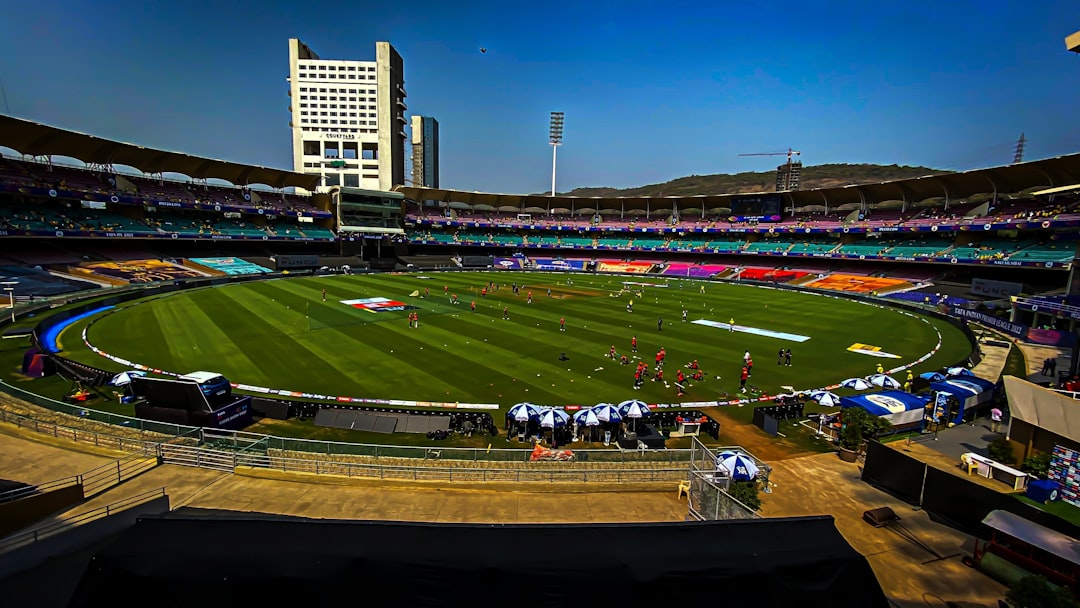
Stadium concessions look simple from the stands: burgers sizzling, fries moving fast, beer lines clearing between innings, and vendors somehow keeping pace with 40,000 hungry fans. In reality, every matchday is a live stress test for procurement, forecasting, labor, cold-chain discipline, and contingency planning. The latest FCC food and beverage outlook is a useful warning flare for venue operators because it shows a sector still dealing with weak demand, volatile inputs, trade uncertainty, and uneven margin recovery. That combination matters directly for stadium concessions, where one missed truck, one delayed shipment, or one inflated input price can ripple into lost sales, unhappy fans, and compressed stadium margins.
FCC’s message is clear: even if food and beverage manufacturing sales rise slightly, underlying volumes remain soft and cost pressures have not disappeared. For a venue operator, that translates into a tougher playbook for matchday operations. You can’t rely on single-source procurement, static menu engineering, or flat-price concession logic when supply uncertainty is rising and fan expectations are non-negotiable. To stay resilient, venues need a supply chain model that blends diversified sourcing, local partnerships, flexible pricing, and contingency menus that preserve both the fan experience and the business case.
This guide breaks down how rising input costs and supply uncertainty affect food & beverage operations at stadium scale, then offers a practical framework to build resilience before the next sellout crowd arrives. For operators who think like growth teams, there is a lesson here similar to platform price hikes and creator strategy: when your cost base changes, the answer is not panic, it is diversification. And as with capacity planning for traffic spikes, resilience starts long before demand arrives.
Why the FCC Outlook Should Matter to Stadium Operators
1) Weak volume trends are a warning for menu economics
FCC’s report highlights a tricky paradox: modest sales growth, but declining volumes. That means the industry is often “growing” because prices are higher, not because demand is stronger. For stadium concessions, this is a flashing signal that fan purchasing power is being squeezed, which puts pressure on premium items, combos, and add-on sales. If the broader consumer is buying less volume at grocery and foodservice levels, venues should not assume matchday pricing can keep rising without consequence. Fans may still attend the game, but they become more selective about what they buy at the concession stand.
The result is a tighter balancing act. Raise prices too aggressively and you risk lower attachment rates, longer queues as fans delay decisions, and more complaints about value. Hold prices flat while input costs rise and margins evaporate. The FCC finding helps explain why stadium leaders must focus not only on top-line sales but on margin resilience, basket composition, and substitution behavior. In practical terms, a sellout crowd does not guarantee a profitable service window.
2) Input volatility now hits concessions faster than it used to
FCC points to rising costs from supply disruptions, animal disease, drought, and tight livestock supplies. That matters in a stadium because concessions are especially exposed to short-cycle replenishment and limited storage. If beef, poultry, dairy, canola oil, cocoa, or beverage inputs swing in cost, the effect can show up within weeks on purchase orders, menu profitability, and promotional planning. Stadiums do not enjoy the same flexibility as retail grocers with broad backroom inventory or manufacturers with longer production buffers.
That is why operators should treat procurement as a live risk-management function, not just an annual bid exercise. The best-run venues build multiple supply paths, maintain SKU-level margin dashboards, and know which items can be swapped without breaking the fan experience. It is a similar mindset to what smart retailers use when they predict which games and gear will sell: the winning move is forecasting demand before the crowd shows up, not reacting after the rush.
3) Trade uncertainty and geopolitics can hit matchday service indirectly
FCC also emphasizes tariff risk, supply chain disruptions, and geopolitical uncertainty. For a stadium, those macro forces show up in narrower ways: a beverage reorder arriving late, imported packaging becoming more expensive, or protein prices remaining stubbornly high after a shock in energy or shipping. Even if a venue sources locally, many ingredients still sit in broader global systems. That means a local hot dog may still be affected by feed costs, fuel prices, or transport interruptions.
Matchday teams should therefore think in scenarios. What if a delivery is short 15 percent? What if one distributor fails to arrive before gates open? What if a blockbuster concert or playoff game doubles demand unexpectedly? These are operational questions, not abstract economics. The venues that perform best often borrow from event planning discipline seen in guides like travel planning under volatile airspace conditions, where the playbook is built around redundancy, timing buffers, and fallback options.
The Matchday Supply Chain Failure Points Most Venues Miss
1) Overreliance on one distributor or one brand family
Single-source procurement is convenient until it breaks. Many venues centralize ordering to simplify administration, but the tradeoff is fragility when a distributor misses a drop or a preferred brand goes out of stock. A stadium that built the menu around one soft drink family or one chicken supplier can quickly face reprinting costs, angry guests, and rushed substitutions. The issue is not just availability; it is the dependency chain behind the availability.
Better operators create category-level redundancy. For example, they may pre-approve two protein suppliers, three beverage backup options, and alternate snack brands that hold quality standards. This is the same logic that drives robust technical systems and resilient platform planning. In other words, if a system or supplier fails, the experience should degrade gracefully rather than collapse entirely. That resilience mindset is echoed in guides like why reliability is the real milestone.
2) Menu engineering that ignores shelf-life and storage economics
Some concession failures are created months in advance by poor menu design. If high-demand items require heavy cold storage, fragile packaging, or ingredients with poor shelf life, the venue is setting itself up for waste or stockouts. A great matchday menu is not only attractive and profitable; it is logistically sensible. It should use common inputs across multiple items, protect labor efficiency, and allow substitution without confusing the fan.
That means understanding which products can travel through the supply chain most safely and which items should be reserved for premium zones or limited-time activations. Operators can learn from warehouse automation technologies, where efficiency comes from visibility, routing, and timing. Stadium kitchens need the same discipline in miniaturized form.
3) Forecasting built only on attendance, not consumption behavior
Attendance is only one variable. Concession demand also depends on opponent quality, weather, start time, fan demographics, alcohol policies, and the pace of the game. A blowout, a rain delay, or a late-night start changes buying patterns in real time. If the forecasting model relies on ticket count alone, the venue can over-order perishables and under-order fan favorites.
This is where matchday operations should become more analytical. Look at per-cap spending by section, item substitution rates, transaction timing, and historical sell-through by game type. The same kind of pattern recognition that helps businesses estimate consumer response in other industries appears in articles like using consumer market research to shape creative seasons. For stadiums, the product roadmap is the menu; the “season” is the home schedule.
Procurement Diversification: The First Line of Defense
1) Build a multi-layer sourcing map, not a vendor list
Procurement diversification is more than adding extra names to an approved supplier roster. It means mapping your categories by risk, lead time, temperature sensitivity, and substitution ease. Core items like buns, protein, oil, cheese, paper goods, and beverages should each have a primary supplier, a backup supplier, and a prequalified emergency source. That structure allows buyers to move quickly when prices spike or deliveries slip. It also prevents “quiet dependencies” from growing unnoticed over time.
For stadium operations leaders, the goal is to convert uncertainty into decision rules. If a primary protein source rises above a trigger threshold, you switch to a backup pack size, rework the menu mix, or move a premium offering to a lower-volume stand. This is similar to the logic in best savings strategies for high-value purchases: know when to wait, when to buy, and when to substitute. In concessions, waiting too long can be costly.
2) Diversify by product format as well as supplier
Venues often think of diversification only in terms of vendor count, but product format matters just as much. A fresh-made item may be more vulnerable than a frozen or shelf-stable alternative. A bulk-format ingredient may reduce unit cost but increase waste if demand is volatile. By balancing chilled, frozen, ambient, and prepared items, a stadium can adjust quickly without sacrificing throughput or fan satisfaction.
There is a financial dimension here too. In an environment of thinner margins, operators should compare per-serving economics across formats and use dynamic menu logic to steer volume toward the most resilient items. A venue that tracks the true cost of each format can preserve profit even when one supply path becomes expensive. For a broader view of resilient monetization under pressure, see best alternatives to rising subscription fees.
3) Create trigger-based procurement playbooks
Every major category should have trigger points. These can include price escalation thresholds, on-time delivery failure counts, or forecast variance bands. If a beverage SKU crosses a price threshold, the venue should already know whether it gets delisted, re-priced, or bundled. If a protein line becomes unreliable, the kitchen should know the substitute recipe and the communication path to front-of-house staff.
Pro Tip: Use a “three-step fallback” for every critical concession category: first, swap supplier; second, swap format; third, swap menu item. That sequence protects the guest experience while preserving purchasing power and inventory control. It also mirrors the resilience principle seen in backup planning checklists, where continuity depends on layered redundancy.
Local Sourcing Partnerships That Actually Work on Game Day
1) Local sourcing is about reliability, not just storytelling
Local sourcing is often marketed as a feel-good sustainability initiative, but its real power in stadium concessions is operational resilience. Nearby farms, bakeries, breweries, and commissary kitchens can shorten lead times, reduce transport risk, and make emergency replenishment more realistic. If a regional bakery can deliver buns within hours, the venue has more flexibility than it would with a distant national supplier facing a hub delay. Local sourcing is therefore a business continuity tool as much as a brand asset.
That said, “local” is not automatically resilient. Operators need written service-level expectations, backup production capacity, food safety standards, and clear escalation contacts. One of the best practices is to treat local partners like strategic vendors, not symbolic add-ons. The venue should know each partner’s max output, cut-off times, holiday constraints, and surge readiness. This is the kind of practical partnership discipline that also powers strong community experiences in articles like building community from day one.
2) Build local supplier clusters around core categories
Instead of sourcing one item from one local partner, build a cluster. For example, a stadium can create a local network around bakery items, fresh produce, craft beverages, and prepared sauces. If one partner has a shortfall, another may be able to fill part of the need. Clustering reduces dependence on a single farm or artisan producer while still keeping the local identity intact.
Cluster design also helps with menu creativity. Regional tacos, loaded fries, hot chicken sandwiches, and rotating vegetarian bowls can all share overlapping ingredients, making it easier to pivot when one input becomes expensive. Fans appreciate freshness, but they also respond to consistency. Operators can explore flavor strategy trends in fusion cuisine trends of 2026 to inspire adaptable menus that still feel special.
3) Make local partners part of contingency planning
Emergency sourcing is most effective when it is pre-negotiated. If a venue waits until a sellout Saturday to call a local producer, the plan may fail because the producer lacks labor, packaging, or transport. Instead, local partners should be integrated into contingency menus, crisis contact trees, and test drills. That way, the operator can shift orders immediately if a primary supplier misses a shipment.
Some of the strongest venue operators run “shadow orders” before peak games to confirm that backup partners can actually execute. This is the same mentality seen in structured readiness guides such as pre-game checklists. In stadium food service, preparation is not overhead; it is insurance.
Dynamic Pricing Without Alienating Fans
1) Price architecture should match value moments
Dynamic pricing in stadium concessions does not have to mean surge pricing in the consumer-unfriendly sense. Done well, it means aligning price points with value moments, demand peaks, and purchase intent. Premium matches, rivalry games, and late-inning traffic bursts may support higher pricing on certain items, while early-entry specials or bundled offers can smooth demand during slower windows. The trick is to create price architecture that feels fair and predictable.
FCC’s outlook is relevant here because it suggests a world where costs remain unstable and margins need protection. Stadiums should therefore stop treating price as a blunt instrument. A better approach is to build good-better-best tiers, bundled combos, and limited-time offers that steer buying behavior without shocking the fan. Fans are more accepting of price changes when they see clear value and operational quality in return.
2) Use dynamic pricing to protect sell-through, not just margin
Static pricing can backfire if it leaves too much inventory in the wrong place. A venue that underprices a premium item in one stand may run out too early, while another stand still has excess stock later in the game. Dynamic pricing can help rebalance demand across zones, time periods, or inventory age. For example, a near-expiry fresh item can be bundled into a value combo late in the event instead of written off.
That same logic shows up in pricing-heavy industries like digital subscriptions and consumer goods. The challenge is to protect revenue while maintaining trust. For more on balancing pricing with audience expectations, see diversifying revenue when subscriptions rise and household savings audits under rising bills. Stadiums win when fans feel they have options, not traps.
3) Communicate value transparently
If a venue changes prices, it should do so with visible logic. Combo boards, app pricing, and premium-zone menus should make it easy for fans to understand what they are paying for. When staff can explain why a special item costs more — larger portion, local sourcing, or premium packaging — resistance drops. Transparency matters more when consumers are already feeling financial pressure from the broader food economy.
Pro Tip: Price less on the item and more on the occasion. Fans tolerate premium pricing when the product, speed, and experience feel elevated, but they punish it when the menu looks random or inconsistent.
Operationally, this means pairing pricing with service design. Faster lines, cleaner signage, and smarter bundles make price increases easier to accept. For inspiration on turning customer behavior into actionable insight, operators can borrow from how to rank without sounding like a quote farm: structure matters because clarity builds trust.
Contingency Menus: The Hidden Weapon of Matchday Resilience
1) Build menus that can flex without re-training the entire staff
Contingency menus should be designed before the crisis, not during it. That means each category should have a “Plan B” item that uses similar equipment, similar labor steps, and similar prep time. If burgers run short, the fallback could be chicken sandwiches or sausage rolls that use the same grill and bun inventory. If a dairy item fails to arrive, the line should still be able to push a dairy-free snack or condiment-based alternative.
The best contingency menus do not feel like compromise. They feel like intentional variety. A stadium that has already tested backup recipes, signage templates, and ingredient substitutions can pivot smoothly without creating confusion at the point of sale. This is especially important for high-volume events where every minute of disruption costs real revenue and fan goodwill.
2) Keep a tiered contingency kit by venue zone
Not every stand needs the same fallback plan. Premium clubs, family zones, and upper-bowl kiosks have different sales rhythms and guest expectations. A luxury club might need higher-end backup items, while a fast-turn kiosk needs portable, low-complexity foods that can survive a rush. Zone-specific contingency kits reduce waste and improve execution because they reflect real consumer behavior.
To make this work, each zone should have a short list of substitute SKUs, an approved recipe matrix, and a stocked set of menu boards or digital assets. The process should be rehearsed the same way operations teams rehearse weather delays or power interruptions. It is much easier to run a contingency menu when the “what if” has already been mapped in advance, a lesson similar to safety reporting and hidden risk where overlooked issues become major failures later.
3) Design contingency menus around margin protection
Contingency is not just about filling shelves. It is about preserving profitability under stress. Each backup item should have an approved margin band, a maximum prep time, and a sales target. If the fallback product has a lower margin than the original item, the venue can compensate through bundling, upsells, or reduced waste. If the backup item is easier to produce, the labor savings may offset the input cost disadvantage.
The goal is to avoid panic substitutions that feel cheap, random, or operationally heavy. A good contingency menu protects the guest experience while keeping throughput stable. In that sense, it is a lot like disciplined home or business budgeting: the right fallback keeps the whole system on track. For a useful analogy, see budgeting and habit apps for bigger goals.
Data, Forecasting, and the New Standard for Concession Planning
1) Use sell-through data to forecast by game type
Venues that rely on last year’s average sales are leaving money on the table. Better forecasting models segment games by opponent, day of week, weather, start time, and expected fan profile. The most useful outputs are not only total units sold but unit velocity by stand and time block. That allows operators to stage inventory more intelligently and reduce the risk of stockouts during the most profitable windows.
Data-driven planning is the same advantage businesses gain from better observability. The more you understand in real time, the less likely you are to make expensive mistakes. Operators can learn from continuous observability programs and from capacity planning methods that assume spikes are normal, not exceptional. In stadiums, spikes are the job.
2) Track margin, waste, and fan satisfaction together
A concession plan is only successful if it balances three outcomes: margin, waste, and guest satisfaction. Too often, teams optimize one metric and damage the others. A cheaper ingredient may boost margin but increase complaints. A premium local product may improve fan perception but create spoilage risk. A large inventory buffer may protect sales but hurt profitability.
Build dashboards that combine these indicators so buyers and operations leaders can see tradeoffs clearly. The best decision-making happens when the venue can answer simple questions: Which items are driving repeat purchases? Which SKUs are causing shrink? Which concessions actually improve queue sentiment? With that information, menu changes become strategic instead of reactive.
3) Treat matchday as an experiment loop
Every game should teach the venue something. Test a new bundle in one zone, a local source in another, and a smaller pack size in a third. Review the results after each event and tighten the playbook. This iterative approach helps venues adapt to changing consumer preferences and cost conditions faster than a fixed annual menu cycle would allow. In uncertain markets, speed of learning becomes a competitive advantage.
That’s also why the FCC outlook matters beyond raw economics. It reminds venue leaders that uncertainty is not a temporary nuisance. It is the operating environment. The organizations that thrive are the ones that can learn faster than prices move.
Stadium Margin Protection: What Winning Venues Do Differently
1) They buy resilience, not just commodity cost
Cheapest is rarely best if the result is stockouts, extra waste, or poor fan perception. Winning venues consider total cost of ownership, not just case price. That means factoring in delivery reliability, fill rate, shelf life, labor intensity, and substitution risk. A slightly more expensive supplier may be the better business choice if it prevents lost sales during a marquee game.
Margin protection also depends on internal discipline. The venue should understand product costs at the item level and know where markup is justified by convenience, branding, or exclusivity. Strategic pricing and procurement work together. For a useful parallel, see how spiking coffee prices can reshape budgets in other operational settings.
2) They design for fan trust
Fans forgive a lot when they trust that the venue is trying to deliver value fairly. Clear signage, consistent portions, and reliable quality all contribute to that trust. If a stadium repeatedly runs out of popular items, however, the fan interprets the experience as poor management, not just bad luck. A resilient supply chain is therefore also a brand-protection strategy.
That principle aligns with customer-centered venue design more broadly. Experience-led thinking is what separates forgettable venues from destinations. For more on building memorable environments, the logic is similar to shifting retail landscapes and shopping experiences.
3) They use partnerships to expand optionality
Strong venues cultivate a network of distributors, local producers, tech tools, and operational advisors. Optionality creates leverage. It gives buyers room to negotiate, allows operators to pivot during shortages, and makes contingency planning realistic instead of theoretical. In a market with changing input costs and uneven demand, optionality is a form of competitive advantage.
When operators build those networks well, they also create stronger fan ecosystems. This can extend into merchandise, local collaborations, and premium event experiences. To see how broader ecosystem thinking drives engagement, explore human-centric content and community success stories and dynamic personalized experiences.
Implementation Playbook: A 90-Day Resilience Roadmap
1) Days 1-30: Audit the current exposure
Start with a category-by-category risk review. Map your top-selling items, their suppliers, lead times, shelf life, and substitution options. Identify which SKUs drive the most margin and which ones are most vulnerable to disruption. Then score each category for supply risk and fan impact. That creates a prioritized list of issues to address first.
At the same time, review matchday data from the past season. Look for patterns in sellouts, waste, and substitutions. The answer to resilience is often hidden in operational history. If your most profitable items are also your most fragile, you already know where to focus.
2) Days 31-60: Rebuild sourcing and contingency options
Once exposure is clear, negotiate backup suppliers and test local sourcing partnerships. Build written contingency menus for the highest-risk categories. Create trigger thresholds for price changes, shortages, and order failures. Train staff on substitution rules and update signage templates so the system can move quickly.
This is also the time to align finance, operations, and culinary teams. Procurement cannot solve margin pressure alone. Menu strategy, pricing, labor scheduling, and guest communication all need to work together. The most resilient venues think cross-functionally, not in silos.
3) Days 61-90: Run drills and measure the results
Before the next major matchday, run a simulated shortage. Remove a key item from the plan and see how the team responds. Measure the time it takes to shift the menu, inform staff, and stabilize sales. Then refine the process until the backup path is fast and smooth. Resilience is proven under pressure, not on a spreadsheet.
Pro Tip: Treat contingency rehearsals like game film. Review what happened, who made the call, how quickly inventory shifted, and whether the fan experience stayed intact. The goal is not perfect prediction; the goal is rapid correction.
Comparison Table: Supply Strategy Choices for Stadium Concessions
| Strategy | Best Use Case | Benefits | Risks | Operational Impact |
|---|---|---|---|---|
| Single-source procurement | Low-variance, low-risk SKUs | Simpler admin, volume discounts | High disruption risk, low flexibility | Easy to manage but fragile in shortages |
| Dual-supplier sourcing | Core high-volume items | Better continuity, price leverage | More vendor management | Strong balance of resilience and efficiency |
| Local sourcing partnerships | Fresh, premium, or fast-replenish items | Shorter lead times, brand value | Capacity constraints, variable output | Excellent for contingency and storytelling |
| Dynamic pricing and bundling | Peak demand periods and premium zones | Protects margin, shapes demand | Fan backlash if poorly communicated | Requires strong signage and POS logic |
| Contingency menus | Shortages, delays, weather, surges | Protects sales continuity | Needs training and preplanning | Critical for matchday reliability |
| Buffer inventory | Fast-turn essentials and high-margin items | Reduces stockout risk | Waste and holding costs | Useful when calibrated to demand peaks |
FAQ: Stadium Food Supply Chain Resilience
Why are stadium concessions so vulnerable to supply chain disruption?
Because stadiums operate under compressed time windows, limited storage, and highly variable demand. A single delayed delivery can affect thousands of transactions within a few hours. Unlike supermarkets, venues cannot easily recover lost sales later in the week. That makes preplanning, backup sourcing, and contingency menus essential.
How does the FCC outlook apply to venue food and beverage operations?
FCC’s outlook shows that input costs, trade uncertainty, and uneven demand can pressure margins even when sales rise slightly. Stadium operators face the same economics at a faster pace. If raw material costs rise or volumes weaken, concessions must adapt through procurement diversification and pricing discipline.
Is local sourcing always cheaper for stadiums?
No. Local sourcing is often chosen for reliability, speed, freshness, and brand value rather than the lowest unit cost. In some cases it may cost more per item. But it can reduce emergency shipping, improve fill rates, and protect fan experience, which can make it cheaper in total cost terms.
What is the best way to use dynamic pricing in a fan-friendly way?
Use it transparently and selectively. Price around premium experiences, peak times, and bundled value rather than applying random increases. Fans respond better when they understand the value proposition, see consistent portion sizes, and have multiple purchase options.
What should be in a contingency menu?
It should include backup items that use similar equipment, similar prep processes, and easy-to-source ingredients. Each item should have an approved price, margin target, and communication plan. The best contingency menus are built zone by zone and tested before the event, not improvised mid-rush.
How often should stadium procurement teams review supplier risk?
At minimum, quarterly for core categories and before every major event cycle. High-risk items may need monthly review. If the venue is in a region with weather volatility, transportation constraints, or heavy event clustering, the review cadence should be even tighter.
Final Takeaway: Resilience Is the New Competitive Advantage
Stadium food running out is not just an inconvenience. It is a signal that the supply chain, procurement model, menu architecture, and pricing strategy were not built for volatility. FCC’s food and beverage outlook underscores the broader reality: input costs remain sensitive, demand is uneven, and business conditions can change quickly. For stadium concessions, the answer is to stop thinking in static menus and start thinking in adaptive systems.
The most resilient venues diversify procurement, deepen local sourcing partnerships, prepare contingency menus, and use dynamic pricing carefully to protect stadium margins. They also measure, drill, and refine their matchday operations with the same intensity they bring to game presentation. In a business where every minute counts and every transaction matters, resilience is not a back-office detail. It is part of the fan experience.
For operators who want to keep learning from adjacent playbooks, the same systems thinking appears in sports winning mentality strategies, adaptable equipment planning, and intentional planning frameworks. In other words, the best matchday supply chains are built like winning teams: prepared, flexible, and ready for the next challenge.
Related Reading
- Decoding the Future: Advancements in Warehouse Automation Technologies - A practical look at automation that improves throughput and accuracy.
- Predicting DNS Traffic Spikes: Methods for Capacity Planning and CDN Provisioning - Great analogies for anticipating demand surges before gates open.
- Retailers, Learn from Banks: Using Business Intelligence to Predict Which Games and Gear Will Sell - Shows how analytics can sharpen demand forecasting.
- Shifting Retail Landscapes: Lessons from King's Cross on Shopping Experiences - Useful for designing better fan-facing concession environments.
- Affordable DR and backups for small and mid-size farms: a cloud-first checklist - A strong continuity-planning mindset that translates well to stadium operations.